
While nearly 80% of homeowners install backyard structures for aesthetic appeal, many are surprised to learn that a standard slatted design only filters sunlight rather than blocking it entirely. If you are wondering do pergolas provide shade, the answer is yes, but the level of protection depends heavily on your specific roof configuration and materials.
Traditional open-top models offer partial relief, whereas modern additions like canopies, climbing plants, or louvered systems create a much stronger barrier against harsh UV rays. Understanding these differences is essential for maximizing your comfort during peak summer hours.
At Allure Construction, we serve as your local Pacific Northwest experts in crafting durable, climate-appropriate outdoor living spaces. We help Oregon residents distinguish between simple sun filtering and full weather protection, ensuring your investment stands up to our unique regional climate.
Key Takeaways
- Standard slatted designs offer partial light filtration rather than complete sun blockage.
- Effective outdoor pergola shade is determined by roof orientation, slat density, and material choice.
- Upgrades like retractable canopies or louvered systems significantly increase UV protection.
- Natural options, such as climbing vines, offer beauty but require consistent seasonal maintenance.
- Allure Construction specializes in helping Pacific Northwest homeowners select designs that balance style with functional weather resistance.
What Are Pergolas?
A pergola is more than just a garden feature; it is a versatile architectural element that defines your outdoor space. By blending form and function, these structures provide a transition between the indoors and the natural beauty of your backyard.
Definition and Structure
At its core, a pergola structure consists of vertical posts that support a grid of horizontal beams and rafters. This open-air design creates a defined “room” outdoors without the need for solid walls. The spacing and angle of the overhead slats are critical, as they directly dictate how much sunlight filters through to the patio below.
You can customize the density of these slats to achieve your desired level of shade. Adding optional covers, such as fabric canopies or polycarbonate panels, further enhances the utility of the design. These additions provide extra protection from the elements while maintaining the airy, open feel that makes these structures so popular.
Common Materials Used
Selecting the right pergola materials is vital, especially in regions like the Pacific Northwest where moisture and rain are constant factors. Each material offers different benefits regarding maintenance, longevity, and structural integrity.
| Material | Durability | Maintenance |
|---|---|---|
| Cedar/Redwood | Moderate | High |
| Aluminum | High | Low |
| Vinyl | High | Low |
Natural wood provides a classic aesthetic but requires regular sealing to prevent rot from persistent dampness. In contrast, aluminum and vinyl are highly resistant to moisture and temperature fluctuations, making them excellent choices for Oregon’s climate. Choosing durable pergola materials ensures your investment remains sturdy and attractive for many years, regardless of the seasonal weather shifts.
Do Pergolas Provide Shade?
Many homeowners wonder if pergolas provide shade effectively for their outdoor spaces. While these structures are often chosen for their aesthetic appeal, they can also serve as functional barriers against the harsh afternoon sun. The actual performance of your structure depends heavily on the specific design and roof configuration you choose.
Shade Level and Coverage
When evaluating how much shade do pergolas offer, it is helpful to think in terms of light filtration. A standard open-top design provides minimal relief, but adding slats or covers allows you to customize your environment. You should note that a specific pergola shade percentage does not automatically translate to the same level of UV protection, as some materials filter light differently than others.
Most designs fall into three common categories based on their density:
| Shade Level | Light Filtration | Best Use Case |
|---|---|---|
| 50% Shade | Dappled sunlight | Casual lounging |
| 75% Shade | Moderate cooling | Dining and entertaining |
| 90% Shade | Heavy coverage | High-sun patios |
Factors Affecting Shade Effectiveness
Several variables influence the comfort level beneath your structure throughout the day. By adjusting these elements, you can significantly improve the cooling effect in your backyard.
- Slat Spacing: Narrower gaps between roof slats block more direct sunlight.
- Orientation: Aligning your structure to account for the sun’s path ensures maximum coverage during peak hours.
- Seasonal Sun Angles: The height of the sun changes throughout the year, which alters how shadows fall on your patio.
- Structure Height: Taller pergolas may allow more light to enter from the sides compared to lower designs.
- Roof Materials: Solid covers or fabric canopies provide more consistent protection than traditional wood slats.
Nearby elements like walls or mature trees also play a role in your overall experience. Combining these factors allows you to create a customized outdoor retreat that balances beauty with practical sun management.
Benefits of Pergolas in the Pacific Northwest
Allure Construction understands that the best outdoor pergola shade solutions are those that respect the local climate while elevating your home’s aesthetic. Designing an outdoor space in Oregon means finding the perfect harmony between architectural style and practical weather management. By focusing on high-quality materials and thoughtful engineering, we help homeowners create functional retreats that stand up to the unique demands of our region.
Aesthetics and Design Versatility
A well-designed structure adds significant architectural character to any property. Whether you prefer a modern, minimalist look or a classic timber-frame style, these structures provide a focal point that ties your home to the landscape. They effectively define specific zones for dining, lounging, or entertaining, making your backyard feel like an extension of your indoor living area.
Enhancing Outdoor Living Spaces
Beyond visual appeal, the right design offers tangible comfort. Effective outdoor pergola shade can make your patio feel up to 6 degrees cooler during the height of summer, providing a welcome escape from direct sun. Furthermore, these structures help protect your expensive outdoor furniture and fabrics from harsh UV rays, which prevents premature fading and wear.
Privacy is another major advantage of incorporating these structures into your landscape. By adding lattice panels or strategic climbing plants, you can create a secluded sanctuary that feels tucked away from neighbors. These Pacific Northwest pergolas allow you to enjoy your garden in comfort, regardless of the season.
Managing Rainfall and Drainage
While many people focus on sun protection, managing our region’s frequent rainfall is equally important. At Allure Construction, we prioritize practical construction techniques to ensure your structure remains a long-term asset. We focus on positive roof drainage and proper surface grading to direct water away from your home’s foundation.
It is important to remember that while a slatted roof provides excellent light filtration, it is not a fully rainproof enclosure. We ensure that downspout routing and site preparation prevent standing water near your posts. By addressing these technical details, we maximize the pergola shade benefits while keeping your outdoor living space dry and usable for more months of the year.
How to Maximize Shade from Pergolas
Designing a shaded sanctuary starts with understanding how your structure interacts with the sun’s path. By choosing the right location and materials, you can create a comfortable environment that lasts all day. These effective pergola shade solutions help you manage light levels regardless of the season.
Strategic Placement and Orientation
The position of your structure is vital for blocking harsh rays. In the Pacific Northwest, you must account for lower sun angles during the morning and late afternoon. Orienting your beams to intercept these low-hanging rays provides much better coverage than a random placement.
Consider the path of the sun across your specific property before breaking ground. If you have an existing structure, you can still improve performance by adding vertical elements to block side-glare. Proper orientation ensures your outdoor space remains usable even during the brightest hours of the day.
Using Climbing Plants and Fabrics
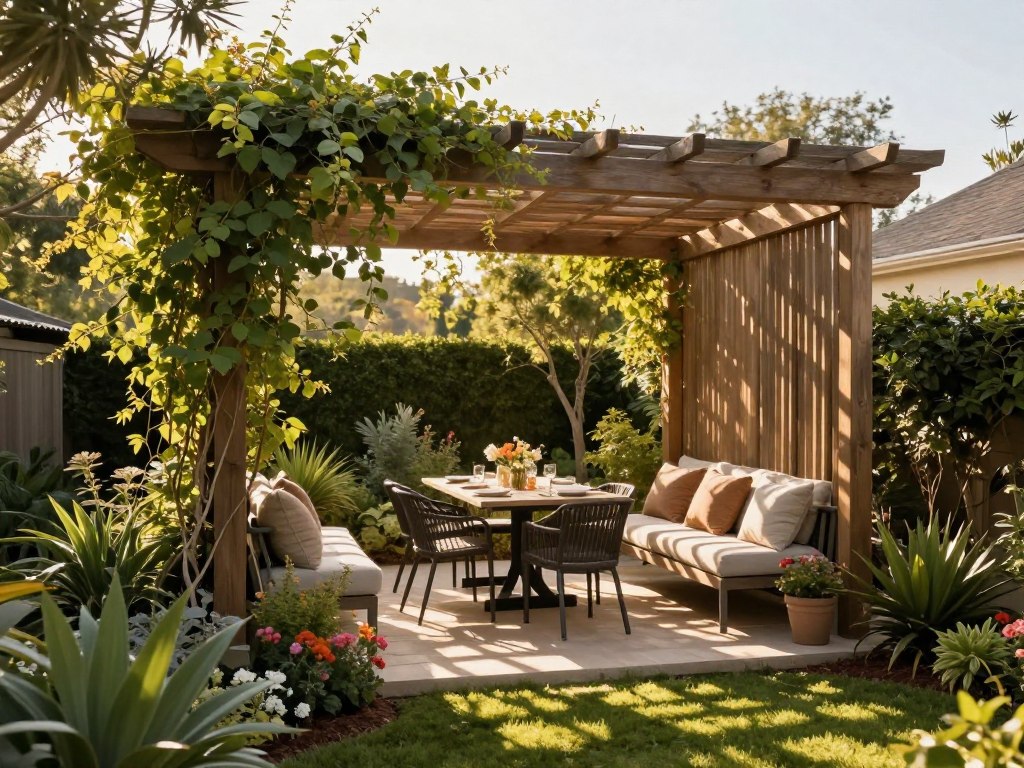
Adding layers is one of the most popular pergola shade ideas for homeowners. Climbing plants like wisteria or clematis provide natural, cooling cover that grows thicker over time. For those who prefer immediate results, fabric options offer excellent versatility.
A pergola with retractable shade is a fantastic choice for those who want flexibility. You can enjoy an open sky on cloudy days or extend the canopy when the sun becomes too intense. For complex motorized or louvered systems, professional installation is highly recommended to ensure long-term durability.
Consider these essential tips for your project:
- Align your structure to block low-angle morning and afternoon sun.
- Select high-quality, UV-resistant fabrics for your pergola with retractable shade.
- Choose climbing plants that thrive in your local climate for natural cooling.
- Ensure your design allows for proper drainage to prevent water pooling on covers.
- Consult with experts for the installation of motorized or structural pergola shade ideas.
Maintenance Tips for Pergolas
Maintaining a structure in the Pacific Northwest requires specific attention to detail. Because of the region’s high humidity and frequent rainfall, your outdoor space faces unique challenges that can impact its longevity. Consistent pergola maintenance helps prevent long-term damage and keeps your investment looking its best throughout the year.
Regular Cleaning and Inspections
Establishing a routine is the most effective way to protect your structure from the elements. You should inspect your pergola at least once every season to catch minor issues before they become costly repairs. Focus your efforts on these essential tasks to ensure structural integrity:
- Clear away leaves, twigs, and debris from the roof and drainage paths to prevent moisture buildup.
- Check all fasteners, brackets, and bolts for signs of rust or loosening caused by wind vibration.
- Inspect wooden posts for soft spots or signs of rot, especially near the base where moisture collects.
- Clean surfaces with a mild soap solution to remove moss, mildew, and dirt accumulation.
- Examine shade fabrics for tears or fraying, and ensure they are securely attached to the frame.
Seasonal Preparations in Oregon’s Climate
Effective Oregon pergola maintenance involves preparing for the transition between wet winters and dry summers. During the rainy season, moisture can encourage moss growth on wood, while aluminum or vinyl structures may simply require a quick rinse to stay clean. Wood structures often need a fresh coat of sealant every few years to repel water and prevent warping.
If you use shade fabrics, remember that their lifespan typically ranges from 5 to 10 years depending on exposure. You can extend this life by cleaning the fabric annually and storing it during harsh winter storms. By staying proactive with these simple steps, you ensure your outdoor space remains a reliable retreat regardless of the weather.
Local Climate Considerations for Pergolas
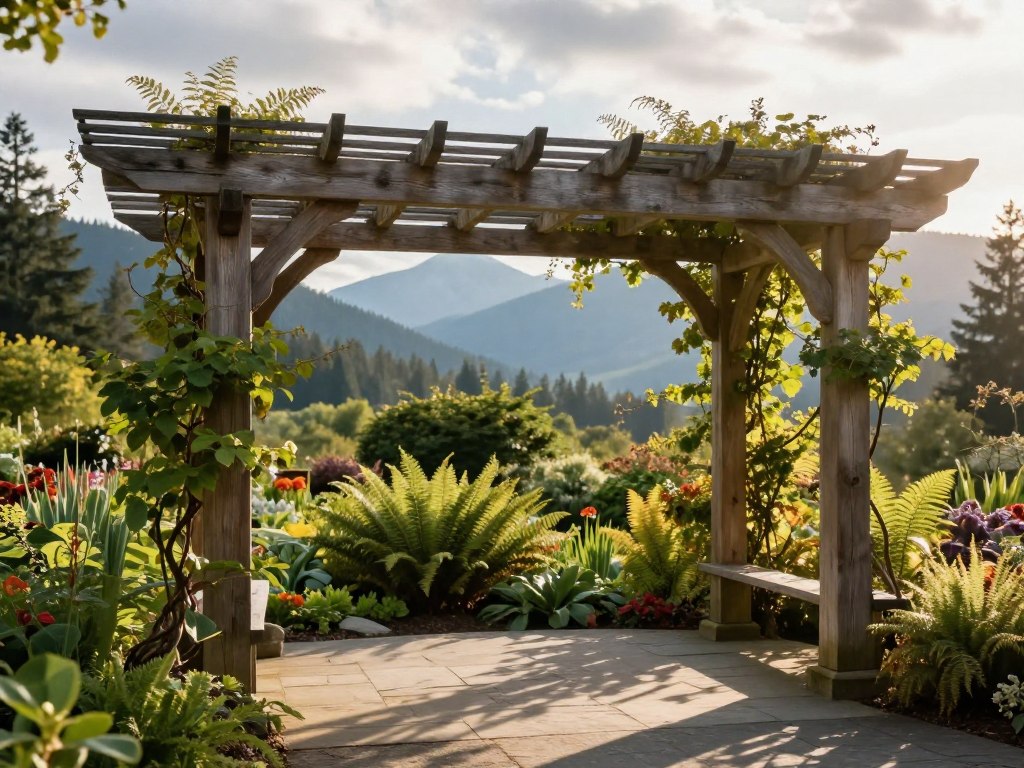
Building a pergola in the Pacific Northwest requires a deep understanding of our unique weather patterns. Unlike drier regions, our area presents specific challenges that demand thoughtful planning and high-quality materials. Allure Construction specializes in tailoring designs to handle these environmental variables effectively.
Rain and Drainage Solutions
Heavy rainfall is a hallmark of the region, which can lead to saturated soil and potential structural instability. Proper site preparation is essential to ensure that water does not pool around your post footings. We recommend deep, concrete-anchored footings that extend below the frost line to keep your structure secure.
Effective drainage also involves managing roof discharge if you choose to add a cover. Directing water away from the base of the posts prevents wood rot and keeps the surrounding area usable. When you invest in professional PNW pergola construction, you ensure that these critical details are handled correctly from the start.
Freeze-Thaw Cycle Effects
The occasional freezing temperatures in Oregon can cause soil expansion and contraction, known as the freeze-thaw cycle. This movement can shift poorly anchored structures over time, leading to leaning or cracked joints. Using flexible, high-quality hardware allows the structure to accommodate minor ground shifts without compromising integrity.
Selecting the right materials is vital for long-term durability in this climate. Cedar and pressure-treated lumber are popular choices, but they must be finished with high-grade exterior coatings to resist moisture absorption. Allure Construction focuses on these technical details to ensure your investment remains stable and beautiful for years.
UV Protection Strategies
While rain is a major concern, intense summer sun also takes a toll on outdoor structures. UV exposure can fade finishes and degrade fabrics if they are not specifically rated for exterior use. We suggest using UV-resistant fabrics and lighter, reflective finishes to minimize heat absorption and sun-related wear.
The following table outlines how different materials perform under local environmental stressors:
| Material Type | Moisture Resistance | UV Stability | Maintenance Needs |
|---|---|---|---|
| Pressure-Treated Pine | High | Moderate | Annual Sealing |
| Western Red Cedar | Excellent | High | Periodic Staining |
| Powder-Coated Aluminum | Superior | Superior | Low |
| Composite Materials | Superior | High | Minimal |
Choosing the right approach for Oregon pergolas means balancing aesthetic goals with the reality of our environment. By prioritizing proper drainage, foundation stability, and UV-resistant finishes, you create a space that thrives in any season. Relying on experienced professionals ensures your outdoor living area is built to last.
Pergolas Versus Other Shade Solutions
When planning your backyard oasis, you might wonder how pergolas stack up against other popular shade solutions. While many shade structures for pergolas offer a permanent architectural element, other options provide more flexibility for changing seasons. Choosing the right fit depends on your specific goals for rain protection, sun coverage, and overall maintenance.
Shade Sails
Shade sails are popular for their modern look and ability to cover irregular shapes. They are often more affordable than permanent structures, but they lack the structural integrity of a built-in frame.
- Highly flexible installation options.
- Excellent for temporary or seasonal use.
- Requires tensioning to prevent sagging during wind.
In a shade sail pergola comparison, you will find that sails are better for budget-conscious projects. However, they do not offer the same “outdoor room” feel that a solid pergola provides.
Awnings and Canopies
Awnings and canopies are ideal if you want the ability to retract your shade on demand. These systems are often mounted to the home, extending over a patio to provide instant relief from the sun.
They are particularly effective at keeping a specific area dry during light rain. Unlike a fixed pergola, these systems have mechanical parts that may require more frequent maintenance over time.
Umbrellas
Umbrellas serve as the most portable solution for small-scale shade needs. They are perfect for dining tables or lounge chairs where you need targeted protection that can move with the sun.
While they are easy to store during the winter, they offer the least amount of coverage compared to larger structures. They are best viewed as a supplement to other permanent shade features rather than a primary solution.
| Feature | Pergola | Shade Sail | Awning |
|---|---|---|---|
| Permanence | High | Low | Medium |
| Rain Protection | High (with cover) | Low | Medium |
| Maintenance | Low | Medium | High |
Ultimately, the best pergola for shade depends on your intended use and budget. If you prioritize a defined outdoor living space that adds value to your home, a permanent structure is the superior choice. If you prefer flexibility and lower upfront costs, temporary solutions like sails or umbrellas might better suit your lifestyle.
Frequently Asked Questions
Selecting the right outdoor structure involves balancing aesthetics with practical sun protection. You can learn more about how pergolas provide shade by reviewing these common inquiries from homeowners.
How much shade can I expect from a pergola?
Shade levels typically range from 50% to 90% based on your design choices. You might prefer an open, airy feel with 50% coverage or opt for denser slats to reach 90% shade. The specific amount depends on the spacing of the rafters and the angle of the sun.
Are pergolas effective in blocking UV rays?
These structures reduce direct sun exposure, but they do not block 100% of UV rays. While they offer significant relief from heat, some scattered light still reaches the area. Adding a high-quality fabric or a pergola with retractable shade can improve your overall protection against harmful rays.
How long do pergolas last in Oregon’s climate?
Durability depends on the materials and your maintenance routine. Vinyl and aluminum options often withstand wet weather for decades. If you use shade fabrics, expect to replace them every 5 to 10 years due to natural wear from wind, rain, and intense sun exposure.
Can I add a retractable cover to my pergola?
You can certainly install a retractable cover if your existing frame is structurally sound. Ensure the support beams can handle the weight and tension of the mechanism. A professional assessment helps confirm that your setup is properly detailed to handle local wind loads and seasonal weather changes.