
Have you wondered whether your property boundary can serve as both a useful barrier and a striking visual centerpiece? Choosing the right hog wire fencing is a key decision for Oregon homeowners seeking security and visual appeal.
At Allure Construction, we transform outdoor spaces with expert masonry, hardscaping, and custom installations. We create solutions for gardens and farms that withstand Oregon’s unique climate and increase your home’s overall value.
Our local team combines durable materials with skilled craftsmanship, helping your investment last for years. We provide expert help for new patios, concrete pavers, and secure perimeters, creating a cohesive finish. This hog wire fencing guide covers materials, maintenance, and installation tips to help you choose the best option for your land.
Key Takeaways
- Professional installation ensures your perimeter remains stable against Oregon’s changing weather conditions.
- Combining steel panels with cedar creates a modern, durable look for any garden or farm.
- Proper drainage and deep concrete footings are vital for preventing long-term post movement.
- Allure Construction offers comprehensive services, including hardscaping and masonry, to unify your outdoor design.
- Selecting high-quality, weather-resistant materials serves as a smart, long-term property investment.
Introduction to Hog Wire Fencing
Many Oregon homeowners choose hog wire fencing to protect their land while preserving beautiful views. This versatile style suits people who want function and an open, airy look.
High-quality materials help make your boundary a lasting asset. Professional installation by experts like Allure Construction adds strength and value to your investment.
What is Hog Wire Fencing?
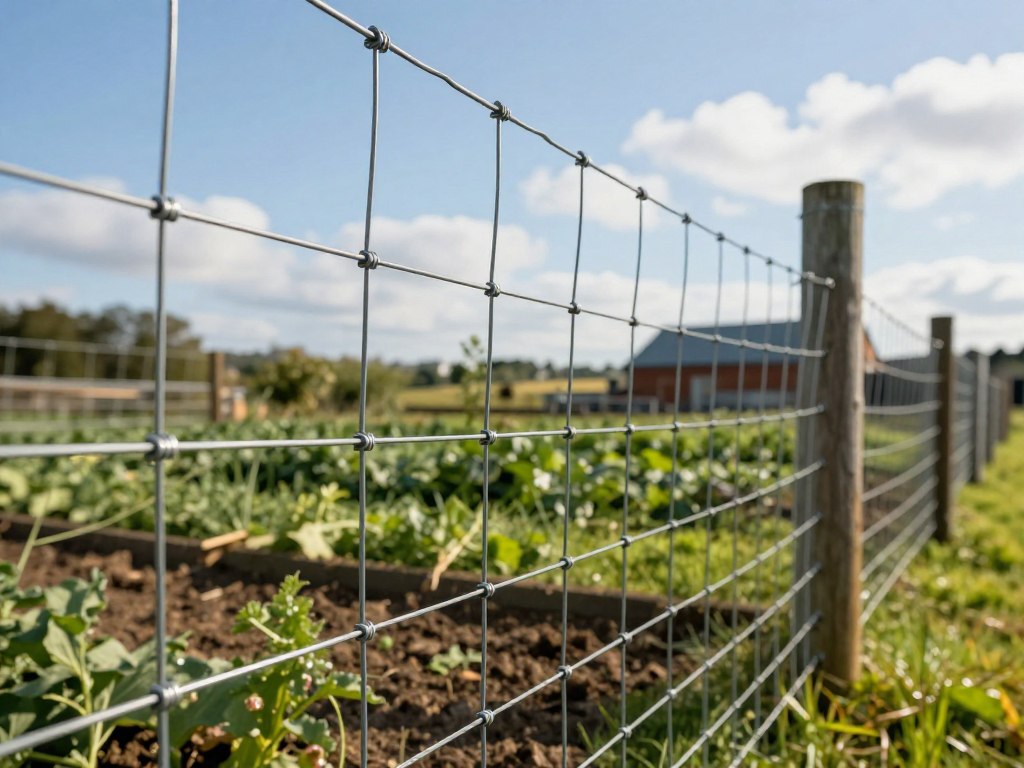
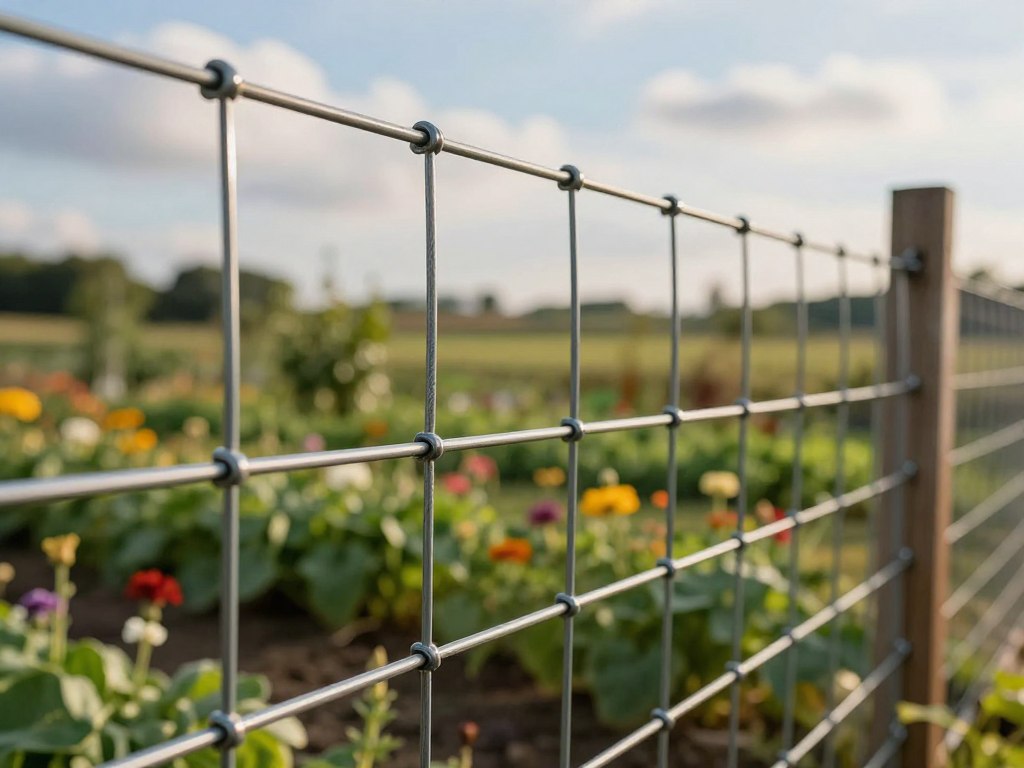
Hog wire fencing uses strong wire panels to control livestock and mark property boundaries. Heavy-gauge steel wires form a welded grid that creates a rigid structure and resists environmental stress.
This system also works well for gardens and open outdoor designs. A livestock wire fence creates a secure barrier without the bulky look of wood or vinyl privacy fences.
Benefits of Using Hog Wire Fencing
The main benefit is strong durability with little visual impact. Its grid lets light and air pass through while safely containing animals and preserving your landscape’s natural beauty.
This fencing style works well with many materials. It fits wood posts, masonry pillars, and existing hardscape features while keeping a cohesive, attractive design.
| Feature | Hog Wire | Wood Picket | Chain Link |
|---|---|---|---|
| Visibility | High | Low | Medium |
| Durability | High | Medium | High |
| Maintenance | Low | High | Low |
| Aesthetics | Modern | Traditional | Industrial |
A quality livestock wire fence balances performance and style. Proper installation keeps your hog wire fencing taut and secure for many years.
Types of Hog Wire Fencing
Choosing a wire fence means weighing strength, appearance, and local weather. Whether you protect livestock or a garden, your choice affects how well wire mesh fencing resists weather. In Oregon, where moisture stays high year-round, a rust-resistant finish is a smart investment for property owners.
Galvanized Hog Wire Fencing
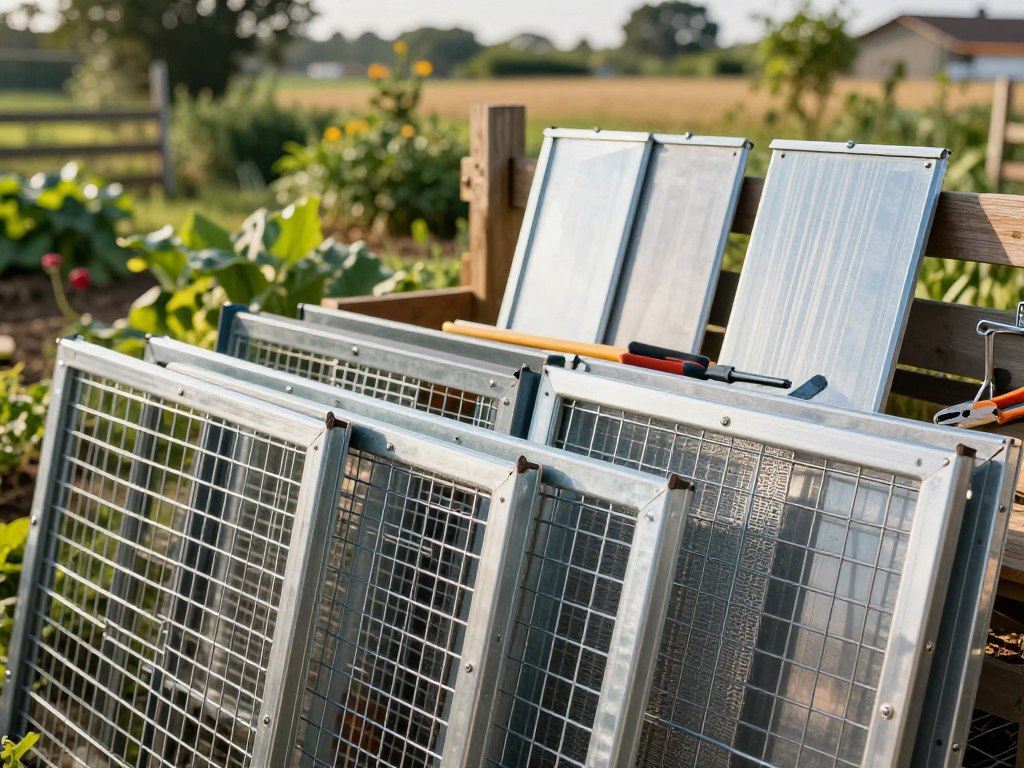
Galvanized fencing is the industry standard for strong corrosion resistance. This process coats steel with zinc, which shields it from rain and humidity. That finish makes these products a good choice for outdoor areas with frequent wet weather.
PVC-Coated Hog Wire Fencing
If you want a certain color or softer look, PVC-coated fencing is an excellent choice. Its plastic coating adds protection and keeps steel from touching moisture. This dual layer often lasts longer in areas with high salt content or acidic soil.
Welded Wire Hog Fencing
When you need even openings and rigid panels, welded wire fencing is the preferred solution. Manufacturers weld each wire at every crossing, so panels resist sagging and pressure. Many farmers choose a heavy-duty cattle panel fence to contain larger animals and preserve clear property sightlines.
Choosing the right hog panels means checking your soil conditions and local climate intensity. Professional installation keeps tension steady, which protects the barrier’s structure. Use the table below to compare materials and find the best fit for your project.
| Material Type | Durability | Maintenance | Best Use |
|---|---|---|---|
| Galvanized | High | Low | Wet/Humid Climates |
| PVC-Coated | Very High | Very Low | Decorative/Coastal |
| Welded Wire | High | Moderate | Livestock Containment |
Choosing the Right Height for Your Needs
Choosing the right fence height is vital for long-term security. The best height for your hog wire fence panels depends on the animals contained and your garden’s protection needs. Planning carefully now helps prevent installation problems later.
Measure the installation area carefully before buying materials. Ground slope, existing gates, and retaining walls can affect barrier performance. If your property has complex hardscaping or masonry, consult a professional contractor like Allure Construction to help your fence fit your outdoor improvements.
Standard Heights Available
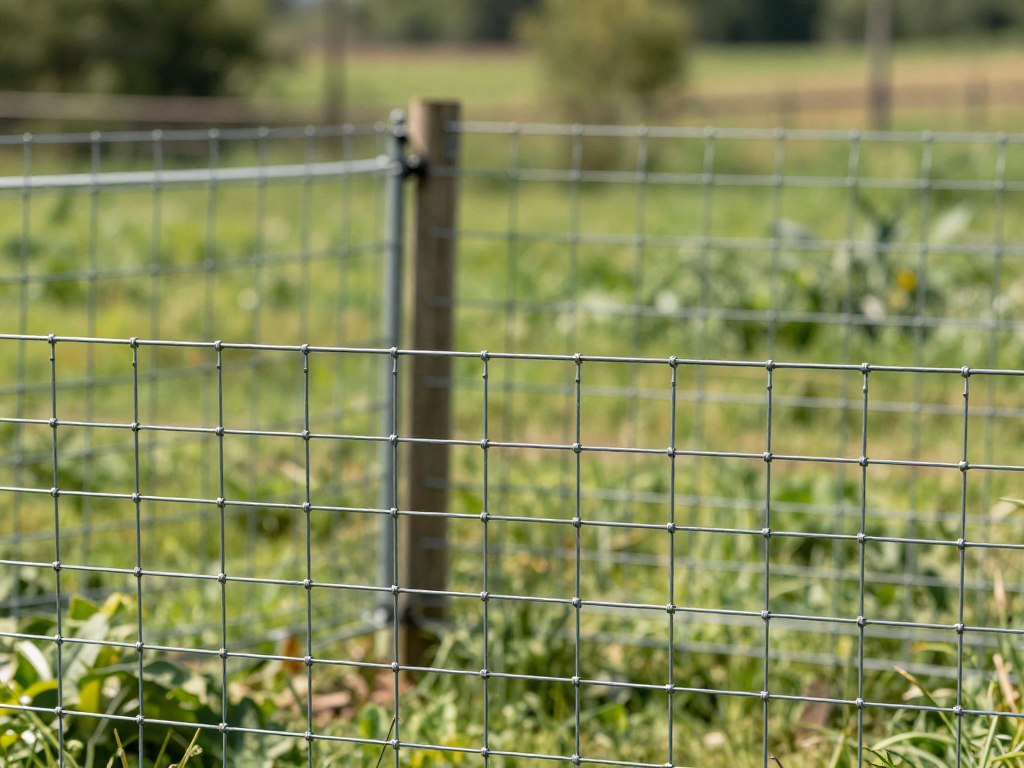
Most manufacturers offer livestock wire fence in standard heights for different needs. Common sizes range from 32 inches to 48 inches, though taller options suit larger animals. The right size gives needed coverage without becoming intrusive.
Consider your property’s overall layout when choosing panels. A shorter fence may suit decorative garden borders, while a taller one protects the perimeter. Check local zoning rules for height requirements before buying.
Considerations for Specific Animals
Animal behavior matters most when choosing fence height. Consider your livestock’s jumping ability and whether they might dig beneath the barrier. A livestock wire fence that is too short may allow escapes or predators into your garden.
This table offers a general guide for choosing a height based on your goals and animal types.
| Application Type | Recommended Height | Primary Benefit |
|---|---|---|
| Small Garden Protection | 32 – 36 Inches | Keeps out small pests |
| Small Livestock/Goats | 42 – 48 Inches | Prevents jumping and climbing |
| Large Animal Containment | 48+ Inches | Provides maximum security |
| Decorative Property Border | 32 Inches | Maintains clear sightlines |
Proper support spacing also affects the stability of your hog wire fence panels. On uneven terrain, adjust the height plan to keep the perimeter level. Good planning keeps your fence useful and attractive for years.
Installation Tips for Hog Wire Fencing
Securing a garden or pasture with hog wire fence panels is manageable with the right approach. Good preparation, accurate construction, and clean details create a sturdy, attractive boundary that lasts.
Tools You’ll Need
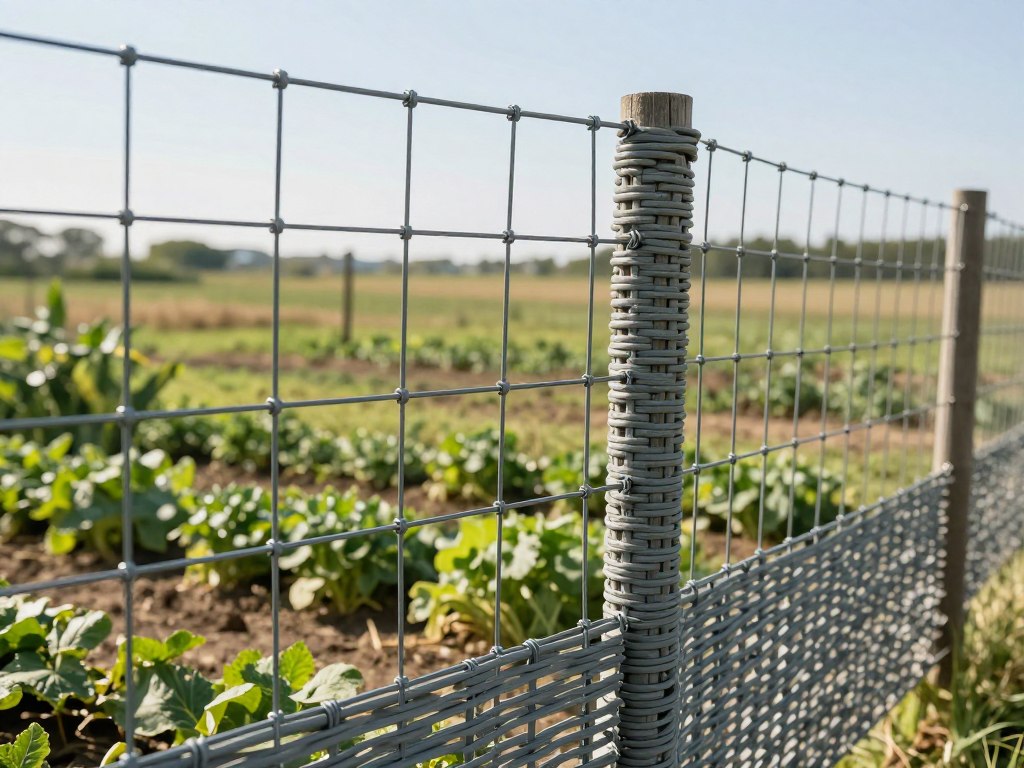
Gather all necessary equipment before starting to prevent delays. The right gear keeps the work safe and efficient. The table lists essential items for successful installation.
| Tool Category | Specific Item | Primary Purpose |
|---|---|---|
| Measurement | Laser Level | Ensuring perfectly straight post lines |
| Excavation | Post Hole Digger | Creating deep, stable holes for posts |
| Fastening | Heavy-Duty Staples | Securing wire panels to wooden posts |
| Cutting | Bolt Cutters | Trimming panels for custom fits |
Step-by-Step Installation Guide
Clear debris from the fence line and mark post locations with stakes. On uneven ground or near existing concrete, adjust the layout to fit the landscape. Accurate measurements prevent alignment problems later.
Install corner and end posts first, setting them deep enough to handle tension. Then install intermediate posts and attach hog wire fence panels with galvanized fasteners. Check the level as you work for a professional appearance.
When installing gates, reinforce the hardware to support the frame’s weight. For complex masonry or work near existing patios, consider hiring Allure Construction for expert results. Professional workmanship helps protect outdoor improvements from early wear and structural failure.
Maintenance Tips to Ensure Longevity
Protect your property investment with a proactive fence care plan. Regular checks of your welded wire fencing can stop small problems from becoming costly structural failures. Steady care keeps the barrier useful and attractive through every season.
Routine Inspections
Walk the fence line at least twice a year to find trouble spots. Check the panels, posts, and fasteners for strength and security. Also inspect ground levels, because erosion or animal activity can create security gaps.
Look for corrosion, especially near the base where moisture gathers. Check mesh connections to ensure they stay tight. Clear vegetation pressing against the fence to prevent rust and wire strain.
Repairing Common Issues
When you find damage, act quickly to protect your welded wire fencing. Straighten small bent wire sections with pliers, and tighten or replace loose fasteners to maintain tension. Reset leaning posts with fresh concrete or gravel to restore vertical alignment.
For major movement or extensive storm damage, consider calling a professional. Expert contractors can fix deep problems that need special tools or heavy-duty materials. Proper care helps your fence withstand Oregon’s unique outdoor conditions.
| Component | Inspection Frequency | Common Action |
|---|---|---|
| Wire Panels | Every 6 Months | Check for rust or bends |
| Fence Posts | Annually | Tighten or reset base |
| Fasteners | Every 6 Months | Replace loose hardware |
| Ground Gaps | After Storms | Fill soil or add gravel |
Cost Considerations for Hog Wire Fencing
Understanding your project’s true cost takes more than adding material prices. Although panel prices matter, successful installation requires a broader view of your total investment. This approach helps keep your farm wire fencing durable and useful for years.
Price Range Analysis
Farm wire fencing prices vary with wire gauge and coating quality. Budget options often use thinner wire, while premium choices feature heavy-duty galvanized finishes that resist rust. Compare total installed prices, not only individual panel costs.
Professional contractors often offer quotes covering materials, hardware, and labor. This approach helps prevent unexpected construction expenses. A complete estimate shows the value of quality materials and expert installation.
Factors Affecting Cost
Several factors affect project costs beyond basic materials. Rocky soil and steep slopes require more time and special equipment to secure posts. Removing old structures or clearing dense vegetation also raises labor costs.
Connecting fencing to existing masonry or hardscaping also makes the project more complex. Plan for gates, high-quality fasteners, and the post system chosen for your layout. Schedule a consultation with experienced Oregon contractor Allure Construction for an estimate matched to your terrain and design goals.
| Cost Driver | Impact Level | Description |
|---|---|---|
| Site Preparation | High | Clearing debris and leveling ground. |
| Terrain Difficulty | Medium | Slopes and rocky soil require extra labor. |
| Gate Hardware | Low | Custom gates increase material costs. |
| Professional Labor | High | Ensures structural integrity and longevity. |
Discussing your needs with a professional helps ensure precise farm wire fencing installation. A clear consultation helps you compare material benefits with your budget. This step helps ensure your final installation provides the security and visual appeal you want.
Popular Brands and Where to Buy
Choosing high-quality components helps your rural fencing project last longer. Whether you secure livestock or protect a garden, your barrier’s strength depends on chosen materials. Professional guidance can help source rural fencing materials for Oregon properties, where climate affects performance.
Trusted Manufacturers
When comparing manufacturers, choose companies that use heavy-duty wire gauges and consistent weld quality. Reputable makers explain protective coatings, including hot-dipped galvanization, which prevents rust in damp environments. Check that panel dimensions and mesh spacing meet your animal containment needs.
Review these critical factors when comparing product specifications from different brands:
- Wire gauge thickness and tensile strength.
- Type and thickness of the protective coating.
- Consistency of the welded joints across the panel.
- Availability of manufacturer warranties and technical support.
Recommended Retailers
Your supplier can affect both the cost and quality of rural fencing. Agricultural suppliers often stock professional-grade products that outlast standard options at general home improvement stores. Specialty fencing dealers offer expert advice for matching materials to your post system and terrain.
| Retailer Type | Product Quality | Expertise Level | Best For |
|---|---|---|---|
| Agricultural Supplier | High | High | Large-scale farms |
| Home Improvement Store | Moderate | Low | Small garden projects |
| Specialty Fencing Dealer | Premium | Expert | Custom installations |
Before buying, confirm that the materials suit your planned application. If unsure, reputable materials and skilled installation produce dependable results; companies like Allure Construction can help homeowners make practical decisions. They can also coordinate fencing with broader landscape and hardscape improvements.
Alternatives to Hog Wire Fencing
If you are comparing standard wire mesh fencing with other choices, consider how each material works in different settings. Every property has unique needs for security, appearance, and long-term care.
Other Fencing Options
Wood fencing remains a classic choice for warmth and natural privacy. It suits traditional landscapes and accepts many stains and paints.
Chain link is a common choice for homeowners who need affordable containment. It is less decorative than wood but creates a useful barrier quickly.
Vinyl fencing offers a clean, modern look with little maintenance or painting. Electric fencing also suits specific rural fencing needs, especially when managing livestock across large pastures.
Pros and Cons of Alternatives
The right material depends on your budget and local climate. For example, wood may need frequent sealing in wet regions, while vinyl handles damp weather well.
Use the comparison below to guide your choice for your property:
| Material | Privacy | Maintenance | Best Use |
|---|---|---|---|
| Wood | High | High | Residential |
| Chain Link | Low | Low | Containment |
| Vinyl | Medium | Very Low | Aesthetics |
| Electric | None | Medium | Livestock |
Professional design and installation help your barrier fit existing patios, masonry, and pavers. Before choosing, consider your landscape style and future maintenance needs.
Reviewing these options can help your investment add lasting value to your home. Whether you choose wire mesh fencing or another style, the right option can serve your property for years.
Common Uses for Hog Wire Fencing
Farm wire fencing works well on rural properties and suburban landscapes. Choose the right farm wire fencing to build a useful, attractive outdoor space. Hog panels provide heavy-duty strength while keeping an open look that suits any outdoor setting.
Farm Applications
On a working farm, durable fencing is essential for every enclosure. Sturdy hog panels create secure livestock areas and poultry runs that withstand daily wear. They also protect young orchards from wildlife while allowing proper airflow.
Many farmers use a strong cattle panel fence to mark utility zones and storage areas. These structures are easy to install and create clear boundaries for organized equipment. Their open design improves visibility across the property for monitoring animals and farm work.
Garden Applications
Gardeners use wire fencing to add structure and height to carefully planned landscapes. Turn these materials into vertical trellises for climbing plants or barriers around raised beds. They create a clean, modern look in Oregon landscapes, especially with natural stone or wood.
These panels also make decorative borders between entertaining areas and working garden spaces. Coordinate fence placement with concrete pavers, walkways, or masonry for a cohesive look. A high-quality cattle panel fence preserves clear sightlines, keeping your garden bright and inviting.
Final Thoughts on Hog Wire Fencing
Choosing materials for your property means balancing function with visual appeal. Your hog wire fencing choice depends on material quality, panel design, and animal needs. Proper installation and regular maintenance help your investment last for years.
Core Elements of Success
Effective rural fencing creates a practical barrier and complements your landscape design. High-quality wire panels blend with gardens, patios, masonry, and concrete pavers. This flexibility creates a unified look throughout your outdoor living space.
Professional Guidance for Oregon Homeowners
Quality craftsmanship can create a durable, attractive property improvement. Contact Allure Construction for a professional consultation and estimate for your next project. Our team helps you choose options for your climate and design goals. Expert care can turn your vision into a lasting Oregon home investment.