
Why do some backyards feel like natural extensions of the home, while others stay neglected? Thoughtful hardscaping can make the difference. With durable materials and smart design, you can turn an underused Oregon yard into a functional retreat for Oregon’s climate.
At Allure Construction, we help homeowners create beautiful outdoor living spaces that stand the test of time. We offer custom concrete pavers, a new patio, and sturdy hog wire fencing. Our team values craftsmanship that adds real value to your property.
Investing in your landscape means more than attractive design. It builds a resilient setting that handles local weather patterns with ease. We provide expert guidance, from drainage solutions to lighting, so your investment stays a home highlight for years.
Key Takeaways
- Professional design turns underused yards into functional, year-round living areas.
- Allure Construction provides expert masonry and installation services across Oregon.
- Climate-resilient materials are essential for long-term durability in the Pacific Northwest.
- Proper drainage and lighting are critical components of a successful project.
- Quality craftsmanship serves as a smart, long-term investment for your home.
Understanding Hardscaping: The Basics
Hardscaping forms the backbone of any well-planned landscape design. Gardens and lawns matter, but yard structures shape how you use your outdoor space.
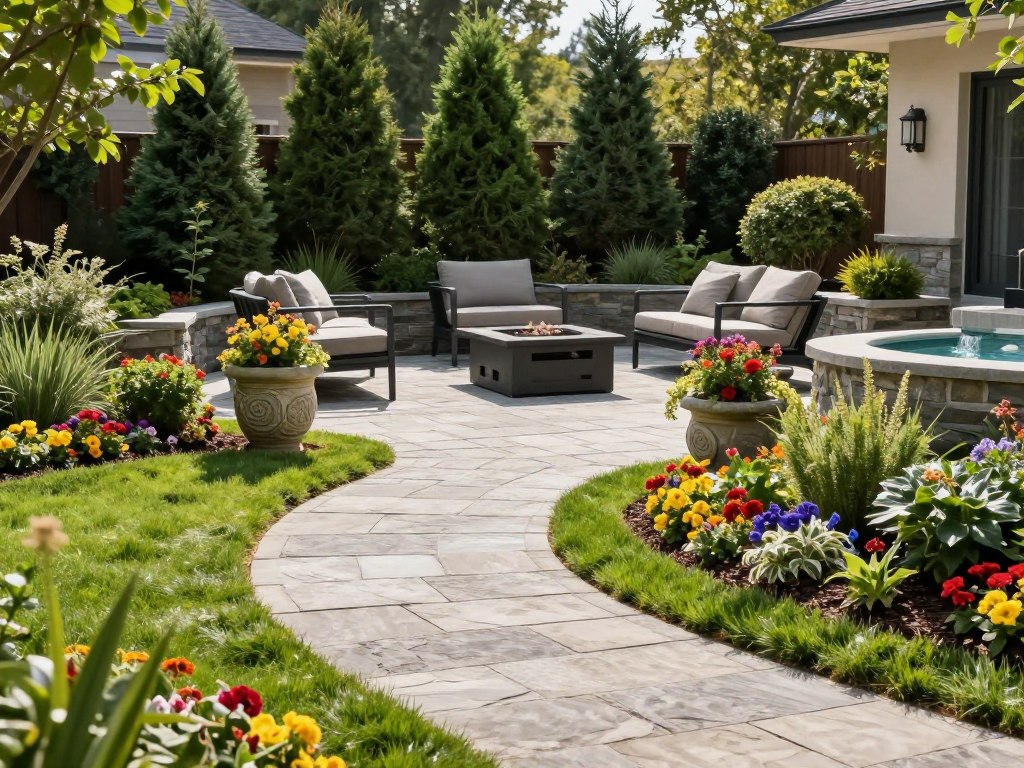
What is Hardscaping?
Hardscaping uses constructed, non-plant elements in a yard. These features include patios, walkways, retaining walls, and masonry work. Concrete pavers, stone, and wood create a permanent framework for your property.
Companies like Allure Construction offer Oregon homeowners specialized expertise. They blend durable materials with the natural environment. New patios and custom fencing add structure that anchors your entire outdoor area.
Importance of Hardscaping in Landscaping
Effective landscape design balances living plants with solid structures. Hardscaping guides movement through your yard and helps manage grade changes on sloped terrain. It turns unused dirt patches into functional living areas for year-round enjoyment.
Investing in quality construction is a long-term decision that adds significant value to your home. Unlike temporary cosmetic upgrades, a well-built stone path or concrete patio becomes a permanent asset. The table below compares these two essential yard components.
| Feature Type | Primary Function | Maintenance Level | Longevity |
|---|---|---|---|
| Hardscaping | Structure & Utility | Low | High |
| Softscaping | Aesthetics & Color | High | Variable |
| Design Role | Defining Spaces | Seasonal Care | Permanent |
Key Elements of Hardscaping
Hardscaping forms the backbone of a well-designed landscape. It adds useful structures that blend natural beauty with everyday function. These permanent features shape how you use your outdoor space all year.
Allure Construction uses quality masonry and durable stone work for lasting landscapes. A strong base and proper drainage matter, especially in the Pacific Northwest’s changing weather.
Patios and Decks
Patios and decks create main areas for outdoor meals, gatherings, and relaxation. Good patio construction needs a stable foundation to prevent shifting or cracks. Natural stone or concrete must have a proper slope, so water drains away from your home.
Professional pavers installation creates custom shapes and patterns that match your home’s architecture. These surfaces provide clean, level areas for furniture and grills. Correct installation offers lasting strength and needs less care than wooden surfaces.
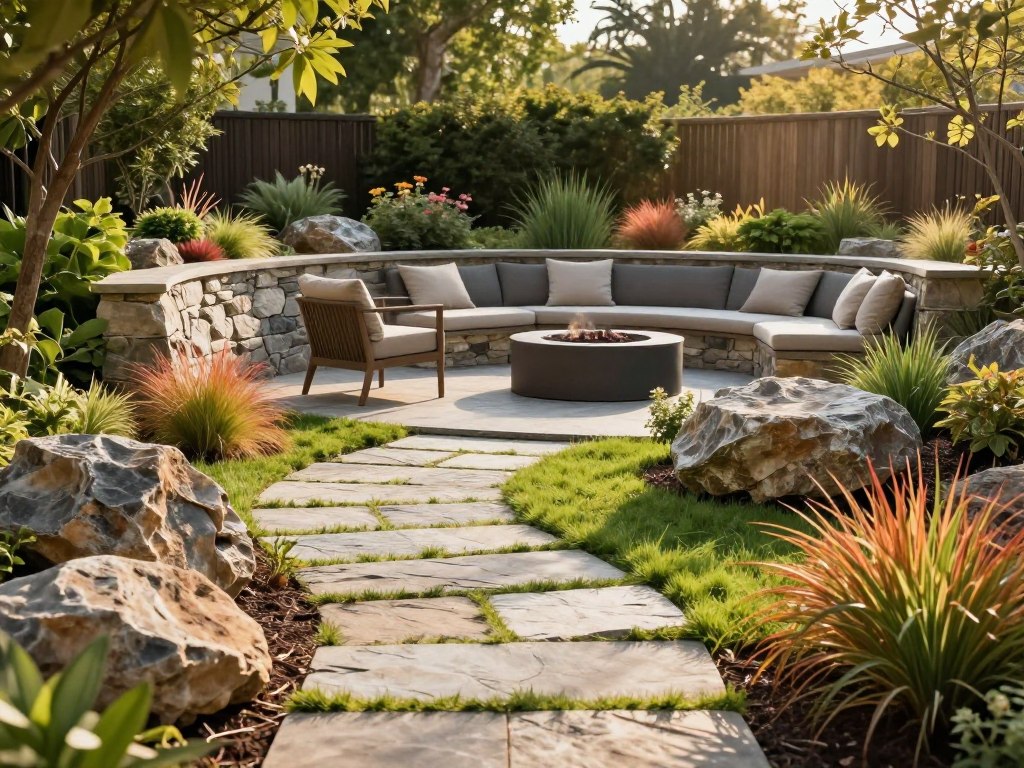
Walkways and Paths
Walkways and paths connect your home, driveway, garden, and entertaining areas. A planned path guides visitors and protects lawns and flower beds from heavy foot traffic. Choose materials that match your home’s style and the space’s needs.
Durable stone work or interlocking pavers suit areas with heavy foot traffic. Proper joints and a compact base help prevent weeds and keep paths level. Good design makes walkways feel like part of your outdoor living space.
Retaining Walls
Retaining walls stabilize slopes and manage changes in yard elevation. Proper engineering prevents soil erosion and creates flat spaces for planting beds or seating. Allure Construction builds for strength, so walls can hold back the earth safely.
Good drainage helps walls last longer. Gravel backfill and drainage pipes prevent water pressure from building behind the structure. This careful method keeps your investment safe and useful for many years.
| Element | Primary Purpose | Common Materials | Maintenance Level |
|---|---|---|---|
| Patios | Outdoor Living | Pavers, Natural Stone | Low |
| Walkways | Navigation | Flagstone, Concrete | Low |
| Retaining Walls | Slope Stabilization | Segmental Blocks, Stone | Moderate |
Choosing the Right Materials for Hardscaping
Oregon’s climate calls for careful material choices for outdoor projects. Heavy rain and seasonal temperature changes can weaken surfaces without proper moisture protection. The right materials keep your investment attractive and useful for years.
Professional hardscaping balances beauty with technical performance. Whether you plan a patio or garden path, materials shape your outdoor living area.
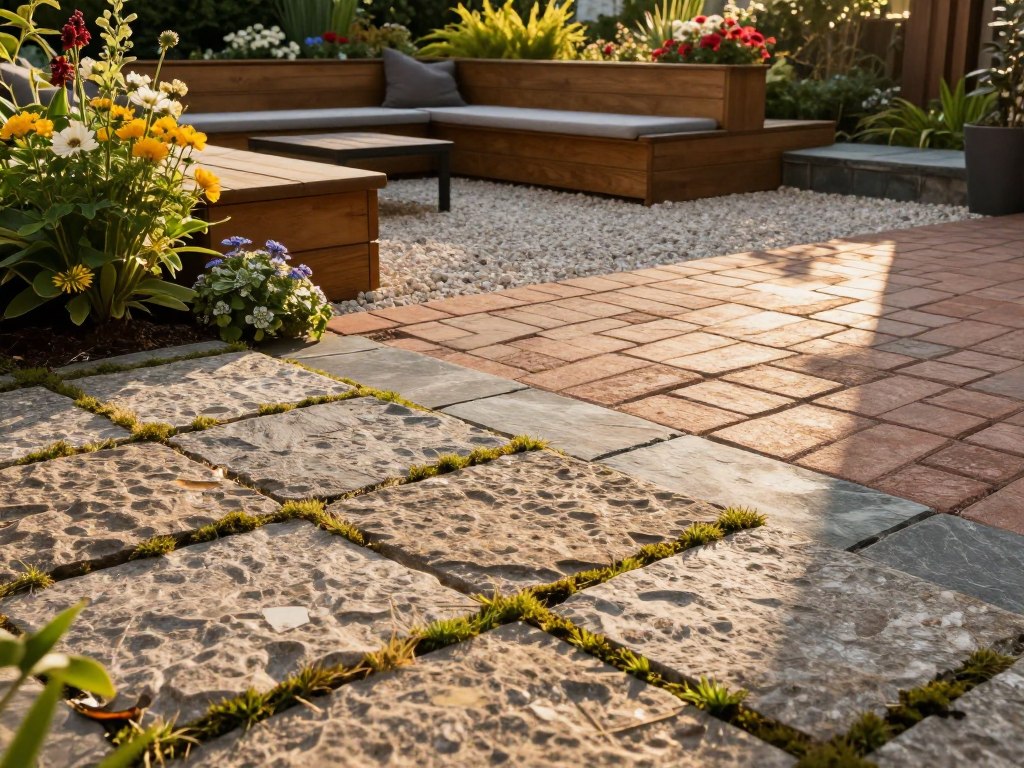
Popular Hardscaping Materials
Concrete pavers are popular because they are flexible and easy to repair. With expert pavers installation, these units create a stable surface that allows slight ground movement. Natural stone creates a timeless look, but careful stone work ensures proper thickness and edge restraint.
Gravel and poured concrete offer affordable choices for large areas. Poured concrete creates a smooth finish, while gravel drains water well from pathways. Every material needs a well-prepared base to prevent settling and support long-term stability.
| Material | Durability | Maintenance | Best Use |
|---|---|---|---|
| Concrete Pavers | High | Low | Patios & Walkways |
| Natural Stone | Very High | Moderate | Decorative Accents |
| Poured Concrete | High | Low | Driveways |
| Gravel | Moderate | Moderate | Garden Paths |
Sustainable Material Options
Environmental concerns matter more to modern homeowners. Locally sourced stone lowers transportation emissions and supports regional suppliers. These materials often blend naturally with Pacific Northwest landscapes.
Permeable surfaces help manage water movement. Rain can soak into the ground, reducing runoff and helping maintain local water tables. Recycled-content products or reclaimed materials add character while reducing waste.
Designing Your Hardscape Layout
Beautiful landscape design begins before workers lay the first stone. A successful project needs a detailed map of your home’s unique features and lifestyle needs. Careful planning gives every square foot a purpose and keeps the design cohesive.
Before construction, identify your yard’s main zones. Map entrances, entertaining areas, seating arrangements, and dedicated cooking zones. Plan clear, natural paths so walkways and driveways connect your home with the rest of the property.
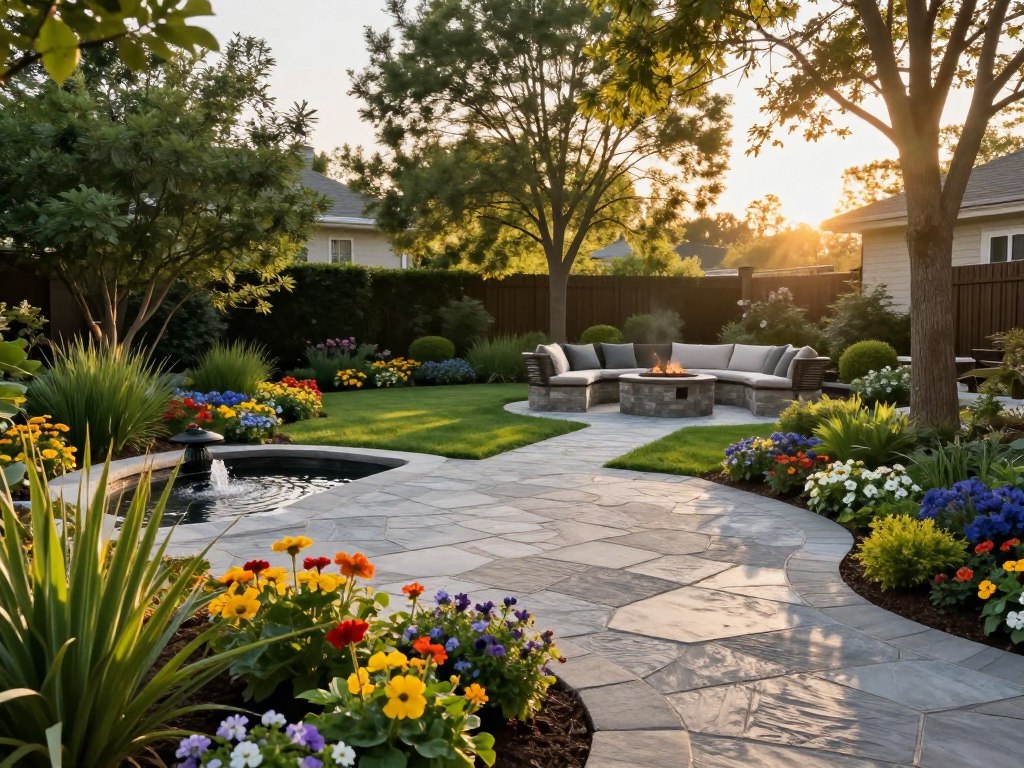
Creating Functional Spaces
Effective outdoor living spaces balance scale and privacy. In regions like Oregon, consider seasonal moisture and shade patterns when choosing materials and placement. Durable, non-slip surfaces handle frequent rain while keeping a clean, professional appearance.
Think about how your family will use the space throughout the year. Good layout planning supports drainage solutions that prevent water buildup near your foundation. Allure Construction emphasizes that a well-planned layout is the foundation of a practical, attractive outdoor environment.
Incorporating Natural Elements
Hardscaping should not feel like a cold, isolated concrete slab. For balance, add softscape elements such as native trees, shrubs, and groundcovers. These plants soften stone edges and help the yard feel like a natural extension of its surroundings.
Use soil and natural stone to create planting beds around your seating areas. This keeps your yard lush and inviting, not crowded or sterile. Blending organic textures with structural choices creates a harmonious space that thrives in the local climate.
| Zone Type | Primary Function | Key Consideration |
|---|---|---|
| Cooking Area | Food preparation and grilling | Proximity to kitchen and ventilation |
| Seating Zone | Relaxation and socializing | Privacy and shade orientation |
| Walkways | Safe property circulation | Drainage and slip resistance |
| Planting Beds | Aesthetic and soil health | Native plant selection |
Enhancing Your Hardscaping with Accessories
Improving your backyard takes more than basic paving. Thoughtful accessories that fit your lifestyle add comfort and style to outdoor living spaces. They turn a standard patio into a useful extension of your home, linking basic construction with a welcoming environment.
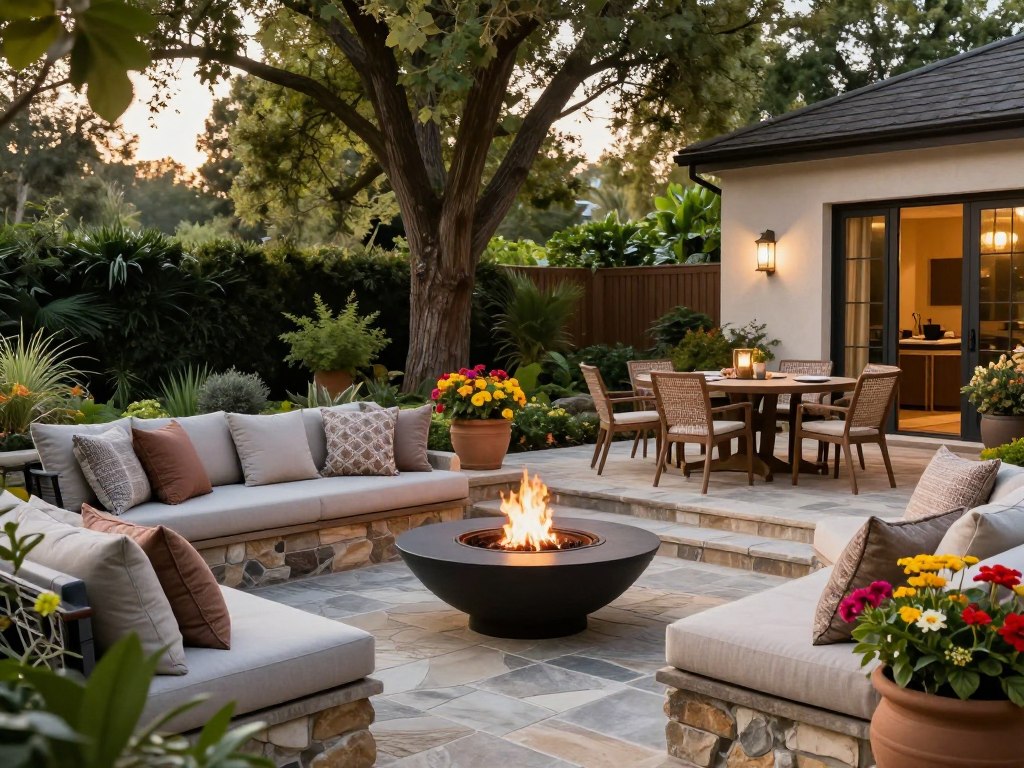
Fire Pits and Outdoor Kitchens
An outdoor kitchen adds value with dedicated spaces for food preparation, dining, and socializing. Good planning places gas lines and water access correctly, while allowing proper ventilation and clearances. Durable, weather-resistant finishes help your cooking station remain a centerpiece for years.
When planning fire pit design, safety should be your top priority. Use noncombustible surfaces around it and leave ample seating clearance to help prevent accidents. For wood-burning or gas-fueled models, check local building codes and operational requirements before choosing.
Water Features and Fountains
Water features and fountains create visual and sound focal points, masking neighborhood noise with soothing flowing water. Professional installation manages pumps, splash control, and drainage, while regular maintenance, including winterization, keeps systems working through changing seasons.
| Feature Type | Primary Benefit | Maintenance Level | Installation Focus |
|---|---|---|---|
| Outdoor Kitchen | Entertaining Capacity | High | Utility Integration |
| Fire Pit | Ambiance & Warmth | Low | Safety Clearances |
| Water Fountain | Acoustic Relaxation | Medium | Pump & Drainage |
Allure Construction uses an Oregon-based approach to build durable outdoor living spaces for the local climate. Professional craftsmanship and high-quality accessories help keep your investment beautiful and functional. Thoughtful planning today creates a more enjoyable, relaxing home environment tomorrow.
Maintenance Tips for Longevity
Oregon’s unique climate requires specific care to keep outdoor surfaces looking their best. Consistent upkeep preserves the beauty and strength of your hardscaping features. Proactive care protects the craftsmanship of your professional installation team.
Regular Cleaning and Upkeep
Begin by sweeping surfaces weekly to remove loose dirt and organic debris. This habit helps prevent stains from settling into porous materials like concrete or natural stone. Remove weeds between pavers right away to stop roots from shifting your layout.
Inspect the joints often to ensure sand or mortar stays intact. Refill any gaps to support the stability of the entire structure. For expert guidance on maintaining your outdoor living spaces, consult a local specialist who understands regional material performance.
Seasonal Maintenance Tasks
Oregon’s wet seasons bring challenges, including moss growth and moisture buildup. During rainy months, clear drains of leaves and debris to prevent pooling. Standing water can cause lasting damage and create slippery conditions that threaten safety.
As temperatures drop, watch for frost heave or cracks in concrete. Promptly address displaced pavers or unstable wall sections before they worsen during the winter freeze. Regular inspections help your hardscaping stay durable and beautiful for many years to come.
Incorporating Lighting in Hardscaping
Strategic lighting extends the use of your outdoor living spaces. It turns a dark yard into a welcoming place for evening relaxation or social gatherings.
Thoughtful design keeps your hardscaping safe and beautiful after sunset. Proper placement shows stonework texture and gives guests the visibility they need.
Types of Hardscape Lighting
You can light different areas in many ways, based on what you want to highlight. Path lights guide visitors along walkways, while step lights improve safety on changes in elevation.
Wall lights and recessed fixtures suit retaining walls and patio edges. Uplighting highlights architectural features or trees, while downlighting creates a soft, moonlit effect over seating areas.
Tips for Effective Outdoor Lighting
A low-voltage system is the most energy-efficient way to power your outdoor living spaces. These systems are safer to install and easier to maintain than high-voltage options.
Choose weather-rated fixtures that can withstand the elements throughout the year. Hide wiring inside the hardscaping to keep the design clean and prevent tripping hazards.
Avoid excessive brightness because it creates harsh glare and harms a relaxing atmosphere. Use timers or smart controls to manage lighting automatically by time of day.
| Lighting Type | Primary Use | Best Placement |
|---|---|---|
| Path Lights | Safety and Guidance | Walkway Edges |
| Step Lights | Visibility | Stair Risers |
| Uplighting | Visual Appeal | Stone Walls or Trees |
| Recessed Lights | Subtle Ambiance | Patio Floors |
Hardscaping and Drainage Solutions
Proper drainage supports every successful outdoor project in the Pacific Northwest. Plan for this region’s heavy rainfall when improving your property. Poor water control can cause serious structural problems and threaten your investment.
Importance of Proper Drainage
Water pooling near your home or beneath your patio can cause serious damage over time. Common problems include soil settling, surface stains, and unsightly mold growth. During colder months, trapped moisture can cause frost damage that cracks pavers and stone surfaces.
Water that does not drain away can erode soil and weaken your patio. Hydrostatic pressure also threatens retaining walls. Without an escape route, saturated soil can push against walls, causing bowing or total collapse.
Solutions for Common Drainage Issues
Effective water management begins with a site evaluation before construction starts. Professionals often use positive grading to direct water away from your home and toward drainage areas. On sloped properties, swales or channel drains can capture runoff before it reaches your hardscaping.
Use these practical strategies to keep your outdoor space dry and durable:
- Permeable Surfaces: Use pavers that allow water to soak into the ground rather than running off the surface.
- French Drains: Install these systems to collect subsurface water and divert it safely away from your foundation.
- Downspout Management: Extend downspouts to ensure roof runoff does not saturate the soil near your patio.
- Wall Drainage: Always include a gravel base and weep holes behind retaining walls to relieve pressure.
At Allure Construction, we understand the local climate’s unique challenges. We include integrated drainage systems in all our hardscaping projects, helping outdoor spaces stay beautiful and stable for years. Professional installation is the best way to prevent long-term water damage and protect your property value.
Budgeting for Your Hardscaping Project
Oregon homeowners often find that careful financial planning helps landscape projects succeed. Whether you dream of a new budgeting for landscape construction plan or a full yard renovation, knowing the financial scope matters. Good preparation keeps your vision within your budget while protecting high standards for your home.
Estimating Costs
To calculate your project’s total investment, review several key costs. Include site preparation, such as demolition, excavation, and drainage solutions that protect your investment. Your design’s complexity, including needs for patio construction, will strongly affect the final quote.
Labor and material costs change with the size of your vision. For example, a high-end outdoor kitchen needs specialized plumbing and electrical work, raising costs. Likewise, detailed pavers installation requires more contractor time and skill.
Ways to Save on Hardscaping
You can keep your project affordable without sacrificing quality. Many homeowners divide landscape goals into smaller, manageable phases. This plan completes essential drainage and base preparation first, while you save for future upgrades.
Use these strategies to manage your budget effectively:
- Simplify your design shapes to reduce cutting and waste during pavers installation.
- Select locally sourced materials to lower transportation costs and support regional suppliers.
- Reuse existing stone or viable hardscape features to minimize demolition and disposal fees.
- Plan your outdoor kitchen infrastructure early to avoid costly retrofitting later.
Contact a professional contractor for a detailed consultation. A clear estimate helps you set priorities and ensures your project adds lasting value to your property.
Finding the Right Hardscaping Professional
A successful outdoor transformation begins with a partner who values quality and lasting performance. Although the lowest bid may seem tempting, skilled work helps your investment last. In Oregon, Allure Construction offers expertise in masonry, concrete, and custom fencing.
What to Look for in a Contractor
Review a contractor’s portfolio to see whether its style matches your vision. Look for high-quality pavers installation and strong structural integrity in past projects. A reputable professional should provide proof of valid licensing and complete insurance coverage.
Clear communication also matters during the selection process. A reliable contractor will provide a written work plan, realistic schedule, and clear payment terms. Ask for references to confirm their reliability and professionalism.
Questions to Ask Potential Candidates
When interviewing candidates, ask about their technical approach to site preparation. Ask how they handle base preparation and drainage, which support lasting patio construction. Understanding how they manage unexpected site conditions can provide peace of mind.
Clarify who will obtain permits and source materials. Ensure the contractor offers a clear warranty for labor and materials. Use the following table to compare potential hires effectively.
| Evaluation Criteria | Why It Matters | Key Indicator |
|---|---|---|
| Experience | Ensures technical skill | Portfolio of similar work |
| Drainage Plan | Prevents water damage | Proper grading techniques |
| Warranty | Protects your investment | Written service guarantee |
| Permits | Ensures legal compliance | Handles all local filings |
Choosing a contractor who provides expert pavers installation can reduce future repair costs. Asking the right questions helps your patio construction project last. Focus on long-term value instead of the initial price for the best results.
Inspiring Hardscaping Ideas for Your Yard
Outdoor living spaces extend your home. A successful project balances your style with Oregon’s unique climate demands. Focus on durability and proper drainage for a beautiful result.
Modern Hardscaping Concepts
Modern hardscaping often uses clean-lined paver patterns and simple retaining walls. Integrated seating and layered lighting can create a sleek look.
A custom fire pit design adds warmth to these modern areas. These features pair well with contemporary fencing for a polished finish.
Classic Designs That Never Go Out of Style
Classic designs use natural stone work and brick-inspired patterns. Symmetrical paths and timeless patios create order.
Choose plant combinations that complement established homes and preserve their historic feel. These choices help your yard stay elegant for many years.
Strong landscape design needs careful planning and expert installation. Allure Construction specializes in creating functional, weather-resistant environments. Contact Allure Construction for a consultation and estimate on your next hardscaping, patio, pavers, masonry, or hog wire fencing project.