
Why do some Oregon homes keep their curb appeal for decades while others struggle in damp, unpredictable weather? The secret often lies in concrete pavers. Choosing exterior materials is a vital investment in long-term durability and visual charm.
Allure Construction offers expert masonry, hardscaping, and high-quality craftsmanship to transform your property. We install new driveway pavers or stylish patio pavers for backyard upgrades. Our outdoor pavers withstand local weather and create a solid foundation for your lifestyle.
This guide covers selecting, installing, and maintaining resilient surfaces. It provides a roadmap for design choices and professional installation techniques during your next home improvement project.
Key Takeaways
- Understand the importance of selecting weather-resistant materials for the Oregon climate.
- Learn how professional installation ensures the longevity of your hardscaping investment.
- Discover the aesthetic benefits of choosing high-quality masonry for your home.
- Gain insights into the essential steps for preparing your ground before construction begins.
- Explore effective maintenance tips to keep your outdoor surfaces looking brand new.
What Are Concrete Pavers?
Hardscaping starts with understanding concrete pavers. These manufactured units support beautiful driveways, walkways, and patios throughout the United States. Quality materials and precise engineering create stable surfaces that handle heavy use and changing weather.
Definition of Concrete Pavers
Concrete pavers are precast blocks made from cement, sand, and aggregates. Manufacturers use high-pressure vibration to make dense, even units with greater strength than poured concrete. Their modular design supports easy installation and repairs, making them a lasting choice for homeowners.
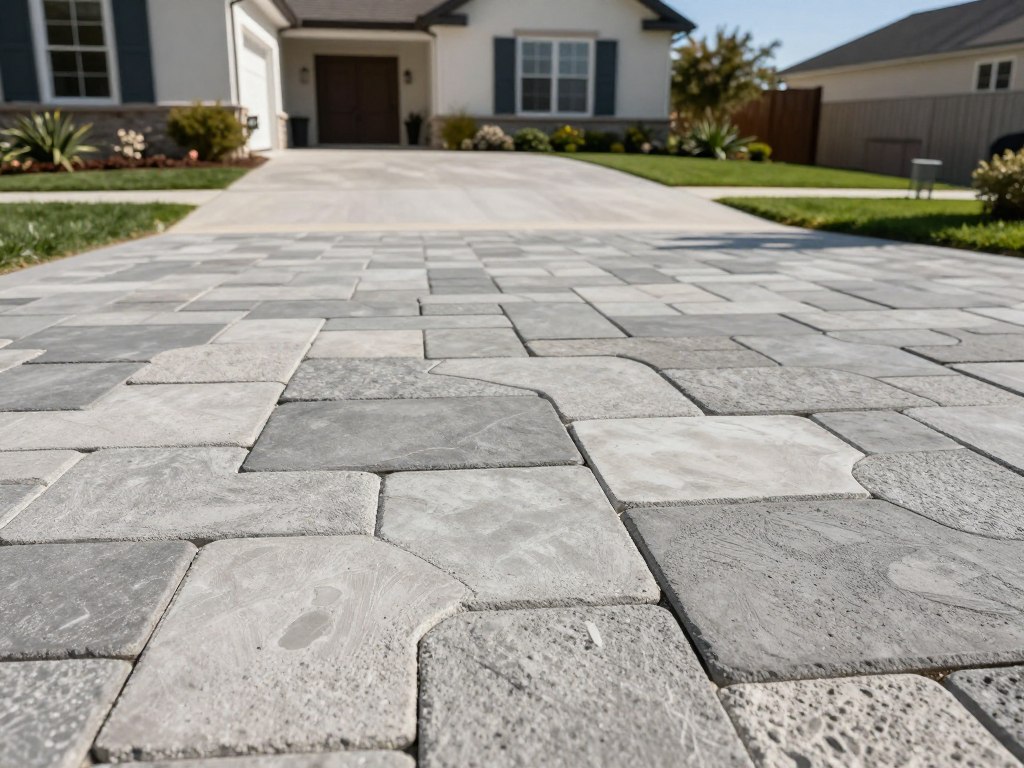
Professional installation helps concrete pavers perform well in climates such as Oregon’s unique environment. Experts at Allure Construction know how to prepare the sub-base and prevent shifting. Good craftsmanship keeps your investment level and attractive for many years.
Types of Concrete Pavers
Homeowners choose paver stones, brick pavers, or interlocking pavers based on their design goals and practical needs. All these options offer durability, but their installation methods and visual textures can vary greatly.
- Paver stones: These often mimic the look of natural stone, providing an organic feel to garden paths.
- Brick pavers: Known for their classic, timeless appearance, these units offer a warm, traditional aesthetic.
- Interlocking pavers: These are engineered to fit together tightly, creating a structural grid that distributes weight evenly.
| Type | Primary Use | Key Feature |
|---|---|---|
| Paver stones | Patios & Walkways | Natural texture |
| Brick pavers | Driveways & Patios | Classic color |
| Interlocking pavers | High-traffic areas | Structural stability |
Benefits of Using Concrete Pavers
Concrete pavers offer great design flexibility. Choose from many shapes, colors, and patterns to complement your home’s architecture. This versatility creates custom layouts that turn ordinary driveways into striking focal points.
Beyond appearance, concrete pavers offer exceptional durability. Controlled manufacturing makes them less likely to crack than large poured-concrete slabs. If one unit is damaged, workers can replace it without rebuilding the entire surface.
Advantages of Concrete Pavers for Driveways
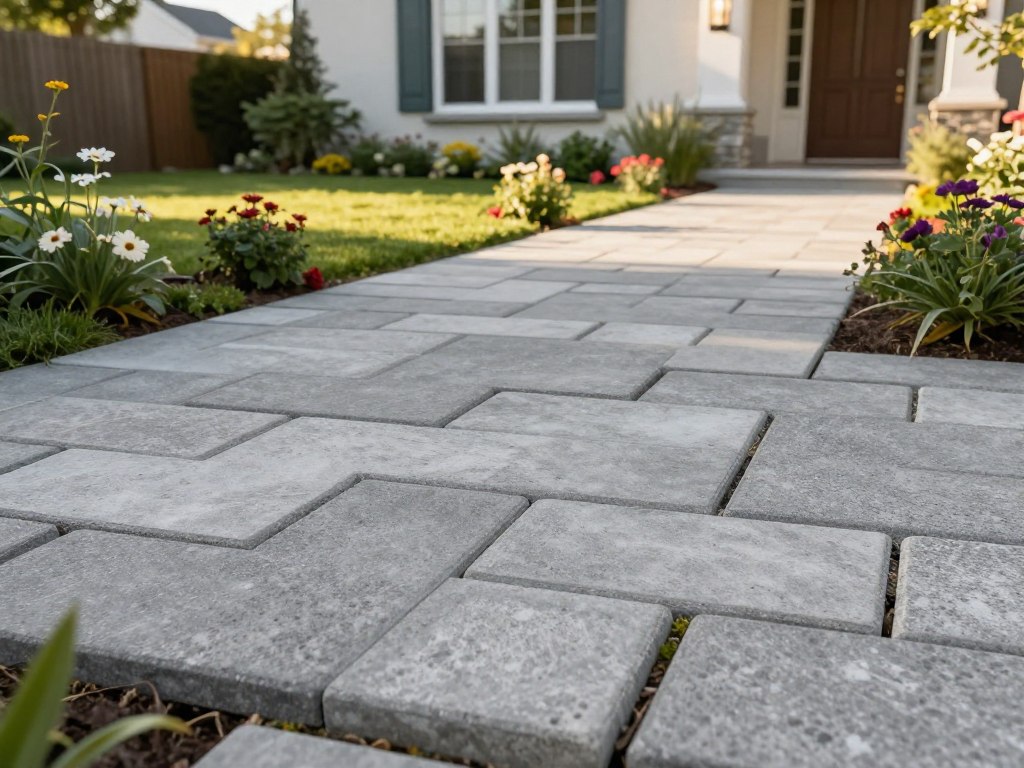
Concrete pavers blend strength and style, making them ideal for residential driveways. Homeowners across the United States choose driveway pavers for reliable surfaces that handle daily vehicle traffic. Expert installation keeps this investment stable and useful for many years.
Durability and Longevity
Concrete pavers offer strong load-bearing capacity. Unlike poured concrete, interlocking pavers can move slightly with shifting soil instead of cracking under pressure. This flexibility suits Oregon’s varied climate, where freeze-thaw cycles can damage traditional surfaces.
If one area becomes damaged, you do not need to replace the entire driveway. Remove the affected units and replace them with new ones. This modular design preserves your driveway’s strength without costly, full-scale repairs.
Low Maintenance Requirements
High-quality driveway pavers make a clean, useful driveway easy to maintain. They drain water well, preventing puddles and reducing winter ice buildup. Regular sweeping and occasional pressure washing usually keep the surface looking clean.
Dense, durable units resist stains and wear from automotive fluids. This low-maintenance design means homeowners spend less time on repairs and more time enjoying outdoor spaces.
Aesthetic Appeal
Driveway pavers also improve your home’s curb appeal. They come in many shapes, colors, and patterns that match your architectural style. You can choose a modern look or a classic cobblestone design.
- Increased property value through improved exterior design.
- Versatility to match existing patio pavers or landscaping features.
- Customizable patterns that create a unique, high-end finish.
Professional installation places each unit with care and precision. This craftsmanship protects your long-term investment and creates a beautiful, strong entrance to your property.
Choosing the Right Concrete Pavers
Your choice of concrete pavers shapes your outdoor space’s durability and appearance. For a driveway or backyard patio, choose materials suited to Oregon’s unique weather patterns. High-quality materials create a strong foundation that complements your home’s architecture.
Size and Thickness Considerations
Choose materials based on how you will use the area. Standard thickness usually handles foot traffic on walkways and patios. Driveways need thicker units to support vehicles without cracking or shifting over time.
Retaining wall pavers must be designed for structural strength and soil pressure. Wrong sizes or thicknesses can cause your hardscape to fail early. Consult professionals to confirm your choice meets your site’s load-bearing needs.
Color and Design Options
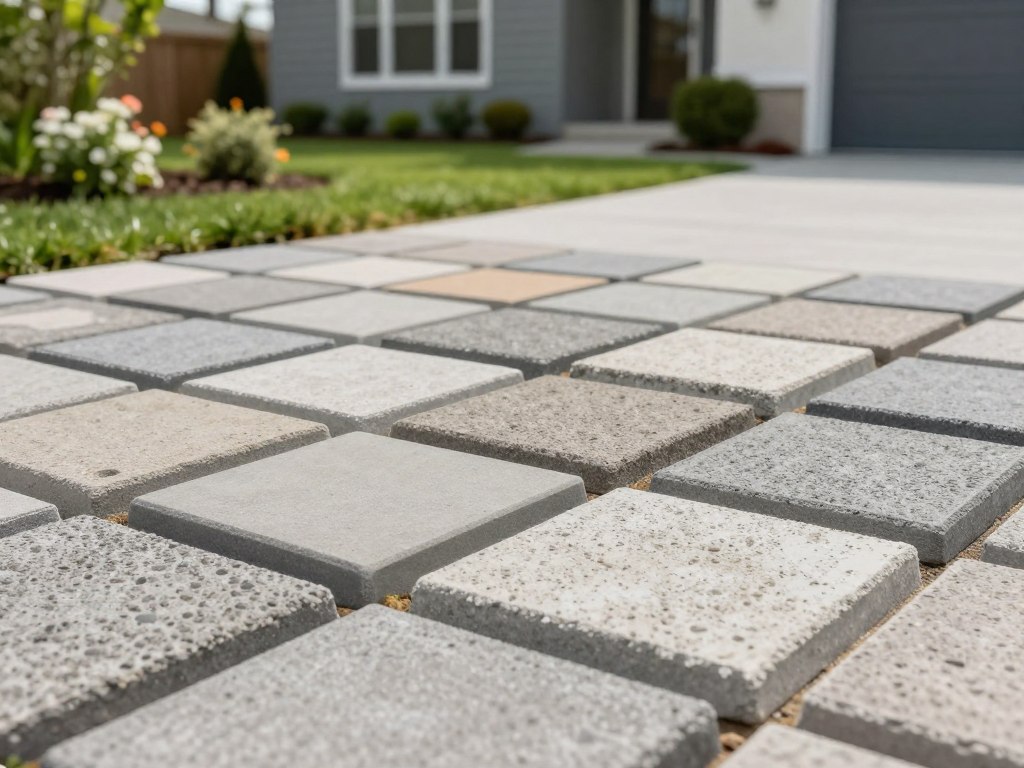
Modern outdoor pavers come in many colors and patterns for every style. Earthy tones blend with nature, while bold shades create a modern focal point. Match these colors with your home’s siding or trim for a cohesive look and stronger curb appeal.
Layout patterns also shape the finished design. Herringbone, basketweave, and running bond patterns create different textures and structural benefits. Choose classic brick pavers or sleek large-format concrete pavers; both offer many design options.
Texture Variations
Texture affects safety and visual appeal in your landscape. Smooth finishes suit comfortable patios, while textured or tumbled paver stones improve grip when wet. This matters in rainy regions, where slick surfaces can become hazardous.
Think about how each finish reflects light and shadow during the day. Matte finishes look subtle and refined, while polished surfaces add a touch of luxury. The right texture keeps your space beautiful and useful for years.
| Application Type | Recommended Thickness | Best Material Choice |
|---|---|---|
| Pedestrian Walkways | 2 to 2.375 inches | Standard concrete pavers |
| Residential Driveways | 2.75 to 3.125 inches | Interlocking paver stones |
| Retaining Walls | Variable (Structural) | Retaining wall pavers |
| Garden Borders | 1.5 to 2 inches | Brick pavers |
Installation of Concrete Pavers
A successful hardscape project needs a strong foundation and careful installation. Whether you upgrade a walkway or install a driveway, work below the surface affects your investment’s lifespan. Allure Construction uses expert methods to help Oregon homeowners avoid settlement, poor drainage, and premature cracking.
Preparing the Base
The foundation is the most important part of any paving project. First, workers excavate the area to the required depth and grade it for proper water runoff. Next, they install and compact crushed stone in layers, creating a firm surface that can carry heavy loads.
Installing edge restraints is also important for securing the perimeter. These restraints stop the stones from shifting outward over time. Without a solid, compacted base, even high-quality materials eventually fail under vehicles or heavy foot traffic.
Laying the Pavers
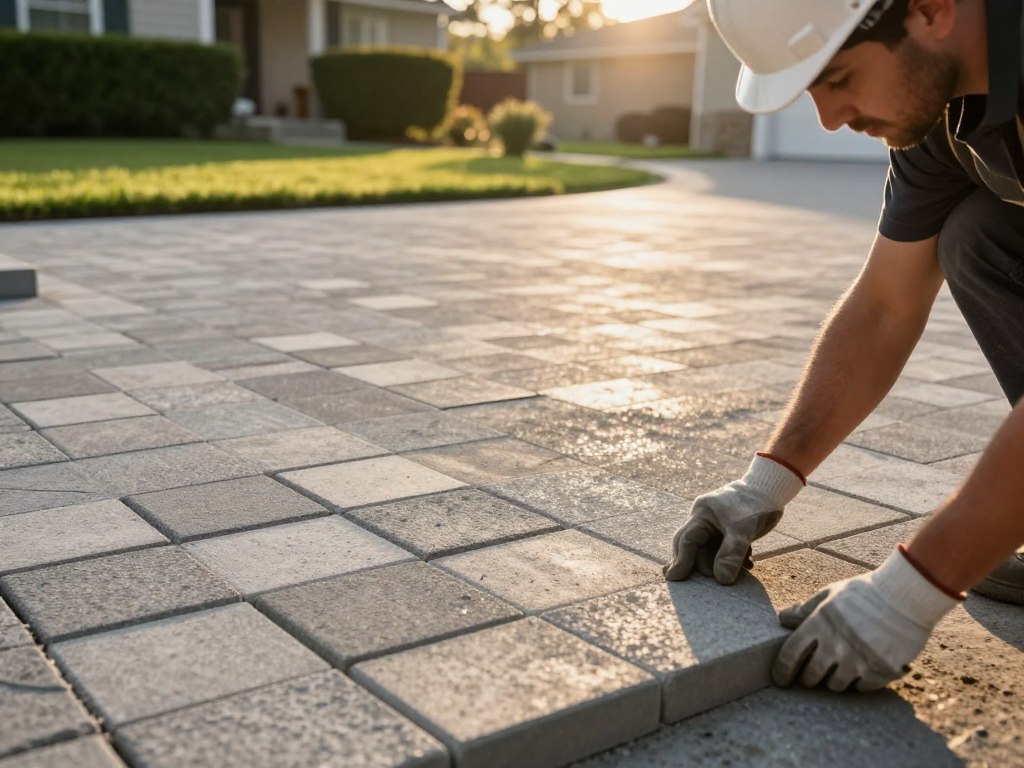
When the base is ready, workers install the surface material. Standard concrete pavers, durable driveway pavers, and specialized interlocking pavers need precise patterns and tight joints. For permeable pavers, use the specified jointing material to preserve drainage.
- Lay the units in your chosen pattern, starting from a straight edge or corner.
- Use a plate compactor to settle the stones into the bedding sand.
- For permeable pavers, ensure the specific jointing material is used to maintain drainage capabilities.
- Check alignment frequently to maintain consistent lines across the entire surface.
Sealing and Finishing Touches
After workers lay and compact the stones, they fill the joints with polymeric sand. Water activates this material, making it harden, lock the units together, and prevent weed growth. A high-quality sealer adds protection against stains, UV rays, and harsh weather conditions.
Finished surfaces look better and perform better in diverse climates. Follow these professional steps to keep your new outdoor space functional and beautiful for many years.
Maintenance Tips for Concrete Pavers
Protecting your hardscape investment starts with knowing how to care for its materials. Regular upkeep keeps outdoor surfaces attractive and useful for many years. A simple routine helps preserve your property’s strength and appearance.
Regular Cleaning Practices
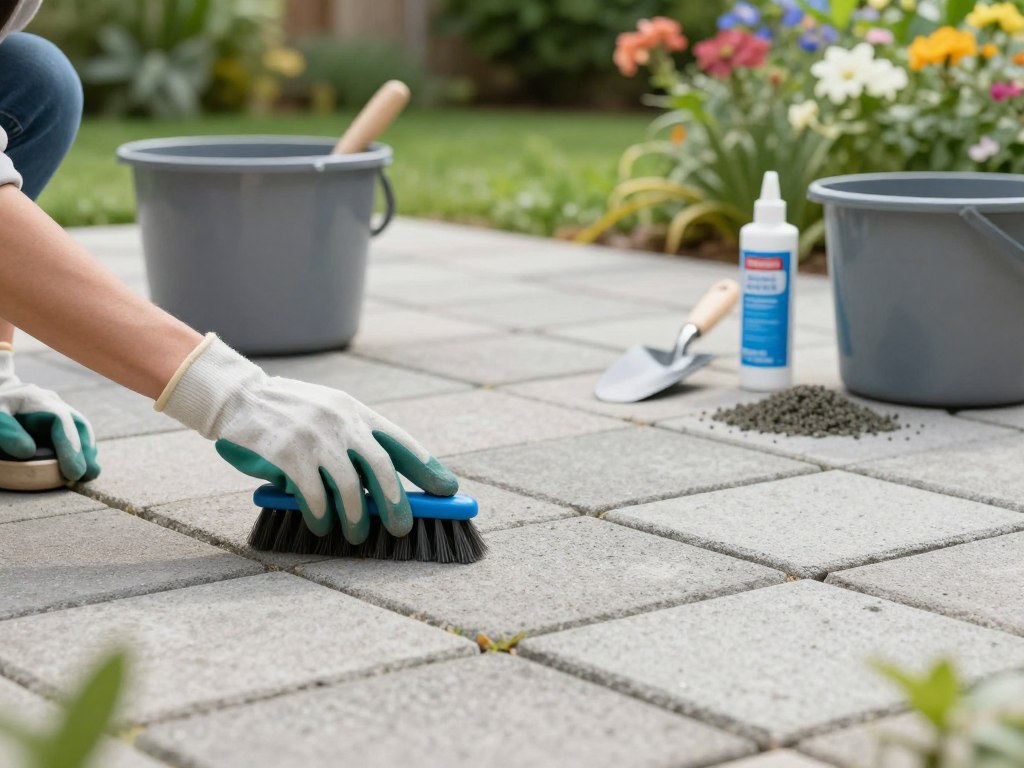
Regular care keeps outdoor areas clean and attractive. Weekly sweeping removes debris and stops organic matter from staining concrete pavers. For deeper cleaning, wash seasonally with mild soap and water to remove dirt and grime.
For stubborn stains, use a masonry cleaner made for the job. Avoid harsh chemicals that could damage your concrete pavers’ finish. Check the joints between units and keep them filled with sand to prevent weeds and movement.
- Sweep the surface weekly to remove leaves and loose dirt.
- Use a garden hose for seasonal rinsing to clear away dust.
- Apply a gentle scrub brush for localized stain treatment.
- Inspect joint sand levels twice a year to maintain stability.
Sealing Recommendations
Sealing protects your hardscape from weather and heavy use. A quality sealer blocks oil spills, UV rays, and moisture. It also deepens the materials’ natural color and makes later cleaning easier.
Most experts recommend a fresh sealer coat every two to three years. Before starting, make sure the surface is fully clean and dry. Proper sealing shows quality work and helps your investment last.
Repairing Cracked or Shifting Pavers
Interlocking pavers offer a major benefit: their modular design. If one unit cracks or shifts from ground movement, you need not replace the whole driveway. Remove the affected piece and fix the base underneath.
After leveling and compacting the base, reset the original unit or install a new one. This flexibility makes repairs easy and keeps the surface looking uniform and professional. Regular attention helps your outdoor space remain a durable, valuable home asset.
Concrete Pavers for Patios: A Perfect Choice
Oregon homeowners often seek durable hardscaping that blends with the region’s natural beauty. A well-planned patio becomes the heart of your home and extends living space into fresh air. By choosing high-quality concrete pavers, you create a flexible base for quiet morning coffee or lively evening gatherings.
Design Ideas for Your Patio
Your patio layout shapes how you use the outdoor space. Patterns such as herringbone and basketweave add interest to dining and seating zones. Contrasting borders frame the area and give it a polished, professional look.
Many residents choose patio pavers because they offer endless design options. These materials suit rustic stone styles and modern, sleek finishes. Interlocking pavers keep the surface stable and attractive for many years.
Incorporating Landscaping
A beautiful patio should feel like a natural part of your garden. Add lush planting beds within the design to soften hardscape edges. Low-voltage lighting along the perimeter improves safety and creates a warm, inviting mood after sunset.
To manage elevation changes, use retaining wall pavers to build tiered garden beds or built-in seating. These elements provide structural support and add depth to your landscape. Properly placed outdoor pavers help define paths that guide guests through your yard with ease.
Comfort and Functionality
A comfortable, useful patio suits Oregon’s climate. Professional installation improves drainage and stops water from pooling during rainy seasons. Experts at firms like Allure Construction create durable hardscapes that withstand local weather and stay beautiful.
With interlocking pavers, you can repair individual units if they shift over time. This flexibility makes patio pavers a smart investment for any homeowner. Combining retaining wall pavers with built-in seating helps you get more from your outdoor living space.
Cost Considerations for Concrete Pavers
Planning a hardscape project means balancing your design goals with a realistic budget. Costs vary, but understanding key factors helps you make informed property decisions.
Price Range Overview
The total cost of installing concrete pavers depends largely on project size. Small walkways need less material and labor than large areas using driveway pavers.
Special options, such as permeable pavers, may cost more because of their drainage systems. Request quotes from several contractors to compare local rates for your design.
Factors Affecting Costs
Several technical factors affect your installation bill. Site preparation often costs the most because excavation and base stabilization support long-term performance.
Your material choice also affects the budget. Premium paver stones with detailed textures or custom colors cost more than standard options. Site access, drainage needs, and complex borders can also increase labor hours.
Long-Term Value Assessment
When pricing patio pavers, look beyond the initial cost. Quality installations last longer, reducing the need for frequent repairs or replacements.
Many homeowners see these projects as wise investments because they improve curb appeal and property value. To learn more about financial benefits, explore whether are paver patios worth the money suits your home. Professional workmanship keeps your investment useful and attractive for many years.
| Feature | Standard Pavers | Permeable Pavers | Natural Stone |
|---|---|---|---|
| Initial Cost | Moderate | Higher | Premium |
| Durability | High | High | Very High |
| Maintenance | Low | Low | Moderate |
| Drainage | Standard | Excellent | Standard |
Environmental Impact of Concrete Pavers
Homeowners want durable outdoor spaces that respect the local environment. Choosing the right materials can create a beautiful space with a smaller ecological footprint. Careful planning helps hardscaping withstand changing weather.
Eco-Friendly Options
Many manufacturers make concrete pavers with recycled materials, including crushed glass and industrial byproducts. These materials reduce virgin resource use while preserving strong structural performance. High-quality outdoor pavers can last for decades, reducing waste from frequent replacement.
Consider each material’s full life cycle when planning your project. Durable installations need less energy for maintenance and repairs over time. Sustainable retaining wall pavers can further improve your landscape’s environmental profile.
Water Drainage and Permeability
Good water management matters in Oregon, where heavy rain is common. Permeable pavers let water pass through their joints and filter into the ground. This process recharges local groundwater and eases pressure on municipal storm drains.
A well-prepared base layer can prevent runoff and erosion on your property. It turns a driveway or patio into a practical tool for environmental care. You can manage drainage while keeping a clean, professional appearance.
Sustainable Sourcing
Buying materials locally helps reduce transportation-related carbon emissions. Many regional suppliers offer concrete pavers engineered for local climate conditions. These materials can remain stable through freeze-thaw cycles and heavy rain.
Landscape plans should reflect the needs of the local ecosystem. Nearby products support the local economy and reduce your project’s total environmental impact. The comparison below can help guide your paving choice.
| Material Type | Permeability | Recycled Content | Durability |
|---|---|---|---|
| Permeable Pavers | High | Moderate | High |
| Standard Concrete | Low | Low | High |
| Natural Stone | Low | None | Very High |
Popular Brands of Concrete Pavers in the US
Choosing among many paving manufacturers requires understanding quality and performance standards. Although price often concerns homeowners first, material specifications can help your investment last for decades. Check thickness, color consistency, and edge profiles before selecting concrete pavers for your property.
Overview of Top Manufacturers
Several industry leaders lead the market and offer many styles for residential projects. Belgard is widely recognized for its extensive design library and high-quality manufacturing. Unilock earns praise for proprietary surface technologies that improve color retention and texture.
Pavestone offers many choices and is widely available across the United States. These brands sell traditional styles, modern large-format units, and brick pavers. Whether you need standard concrete pavers or specialized options, they maintain high production standards.
Comparison of Features and Pricing
Compare more than the initial cost per square foot when choosing materials. Include base preparation, labor, and product requirements in the total installed cost. The table below compares common material types and highlights their key differences.
| Material Type | Best Use Case | Key Benefit | Price Range |
|---|---|---|---|
| Concrete Pavers | Driveways | High Durability | Moderate |
| Brick Pavers | Patios | Classic Aesthetic | High |
| Permeable Pavers | Drainage Areas | Eco-Friendly | Premium |
Customer Reviews and Ratings
Customer feedback often stresses regional availability and long-term performance. Many homeowners say installation quality matters as much as the material brand. Proper base preparation and precise laying help prevent shifting and cracking in permeable pavers.
We encourage you to combine independent research with Allure Construction’s local masonry and hardscaping expertise. Their team can explain which products work best in your climate. Balancing manufacturer reputation with professional installation advice helps create a beautiful, functional outdoor space.
Conclusion: Elevate Your Outdoor Space with Concrete Pavers
Transforming your property takes vision and high-quality materials. Concrete pavers create a lasting foundation while improving your home’s visual appeal.
Why Choose This Path
Concrete pavers help your driveway or patio withstand Oregon’s unique weather patterns. They offer design flexibility for any architectural style. They also create a low-maintenance surface that keeps its value for years.
Take the Next Step
Expert installation unlocks the full potential of your hardscaping project. Proper planning helps your investment serve your family for decades. Contact Allure Construction today for a professional consultation.
Our team provides a detailed estimate for your next concrete paver, patio, masonry, hardscaping, or fencing project.