
Have you ever wondered whether your backyard could become your home’s most valuable room? Many homeowners overlook empty lawns and miss chances to create useful outdoor living spaces that last for decades.
At Allure Construction, we help Oregon residents turn unused yards into beautiful, lasting retreats. Our local team specializes in masonry, hardscaping, and custom fencing, helping your property stand out.
Careful planning and skilled work create surfaces that withstand Oregon’s unique climate. Choosing professional concrete patio installation gives your family a strong place for gatherings and relaxation. We use quality materials and proven techniques to keep your new space beautiful for years.
Key Takeaways
- Transform your yard into a versatile extension of your home.
- Allure Construction provides expert masonry and hardscaping services across Oregon.
- Quality materials ensure your investment survives harsh weather conditions.
- Professional craftsmanship adds significant value and beauty to your property.
- Custom designs help you create the perfect environment for your lifestyle.
Why Choose Concrete for Your Patio?
Oregon homeowners often choose materials that withstand local weather and keep a beautiful look. Choosing the right backyard foundation helps create a useful area that lasts for years. Experienced patio contractors often recommend concrete because it handles moisture and temperature shifts well.
Benefits of Concrete Patios
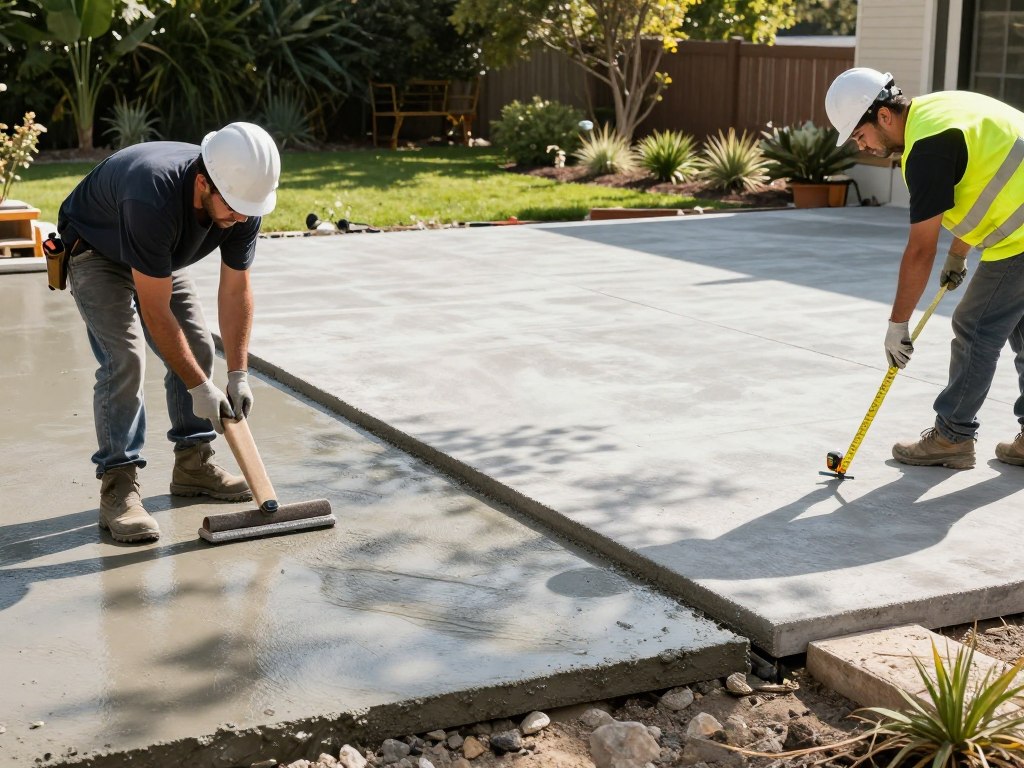
Concrete offers strong structure and flexible design, making it a top choice for many homeowners. It can take almost any shape, so custom layouts can fit your yard dimensions. It also needs little upkeep compared with other surfaces, which suits busy families.
Properly installed concrete creates seamless outdoor living spaces and can increase your home’s value. It resists weeds and shifting, making it a strong choice for long-term performance. Various finishes can match your home’s architectural style.
Cost-Effectiveness of Concrete
Concrete patios require a significant initial investment, but their long-term value is unmatched. Unlike wood, concrete stays stable with little care, while wood needs frequent staining and sealing. This durability lowers repair costs over the installation’s life.
Comparison with Other Materials
Choosing the right material means weighing the pros and cons of several options. The following table shows how concrete compares with common materials used in residential landscaping.
| Material | Durability | Maintenance | Cost |
|---|---|---|---|
| Concrete | High | Low | Moderate |
| Wood | Low | High | Moderate |
| Pavers | High | Moderate | High |
| Gravel | Low | Low | Low |
Qualified patio contractors can help you compare these choices and meet your budget and aesthetic goals. Quality materials create beautiful outdoor living spaces that extend your home. Proper planning and professional work remain key to a successful installation.
Key Factors Influencing Installation
Oregon’s unique climate requires special steps to keep your patio durable for years. A successful concrete patio installation starts before concrete reaches your home. Focusing on the ground below helps prevent later cracks and shifting.
Site Preparation Techniques
A sturdy patio needs a well-compacted subbase. Professionals first grade the area so water flows away from your home’s foundation. This prevents pooling and protects the slab’s structure.
Pacific Northwest soil conditions vary widely. If soil is too soft or contains organic matter, workers must excavate and replace it with crushed rock. Compacting this base layer well supports long-term stability.
Weather Considerations
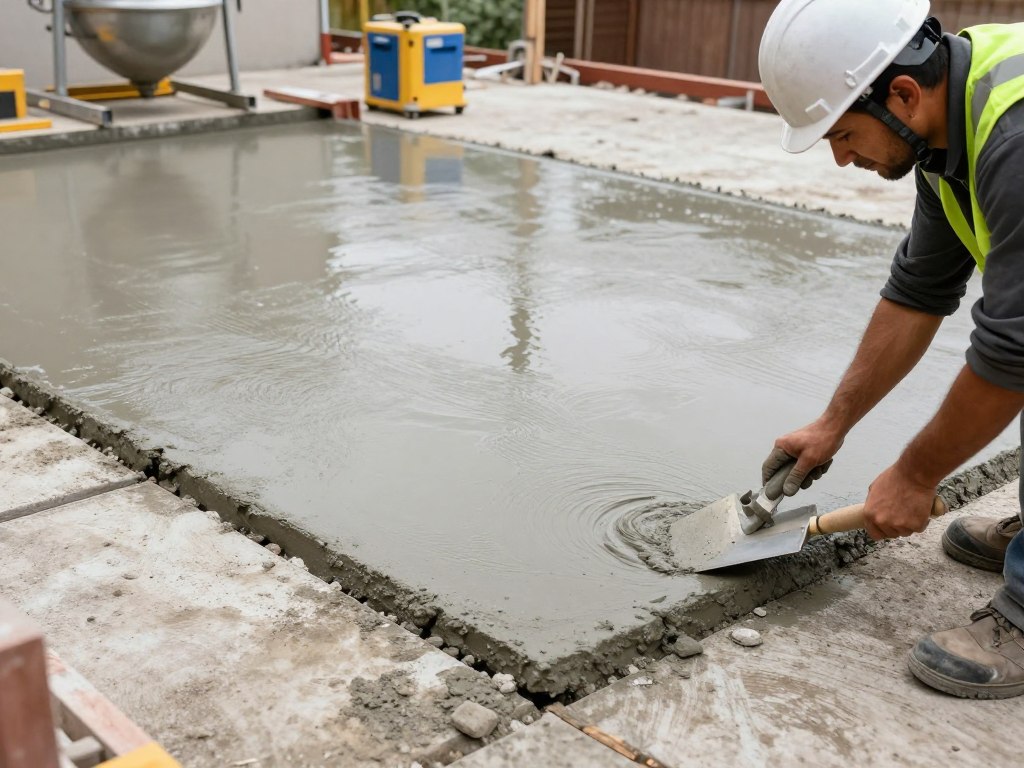
Oregon has frequent rain and high moisture. These conditions can damage curing concrete without proper management. Careful drainage planning keeps the surface dry.
Experienced professional patio installers understand these environmental challenges. They use specialized methods to shield wet concrete from sudden downpours. This skill protects your investment from the elements.
Choosing the Right Time of Year
Timing matters when planning your outdoor upgrade. Oregon’s best concrete pouring window runs from drier late spring through early autumn. This timing helps the material cure at an ideal rate without excess moisture.
Homeowners should consult with professional patio installers to choose the best schedule for their property. You can find more helpful advice in our homeowners concrete patio guide to prepare your yard effectively. Acting early supports smoother construction and a more resilient finished product.
Types of Concrete Patios Available
Creating an outdoor space starts with choosing the right concrete finish. Homeowners can choose styles that suit their vision and property. From rustic to modern, professional concrete installation offers useful design flexibility.
Stamped Concrete Options
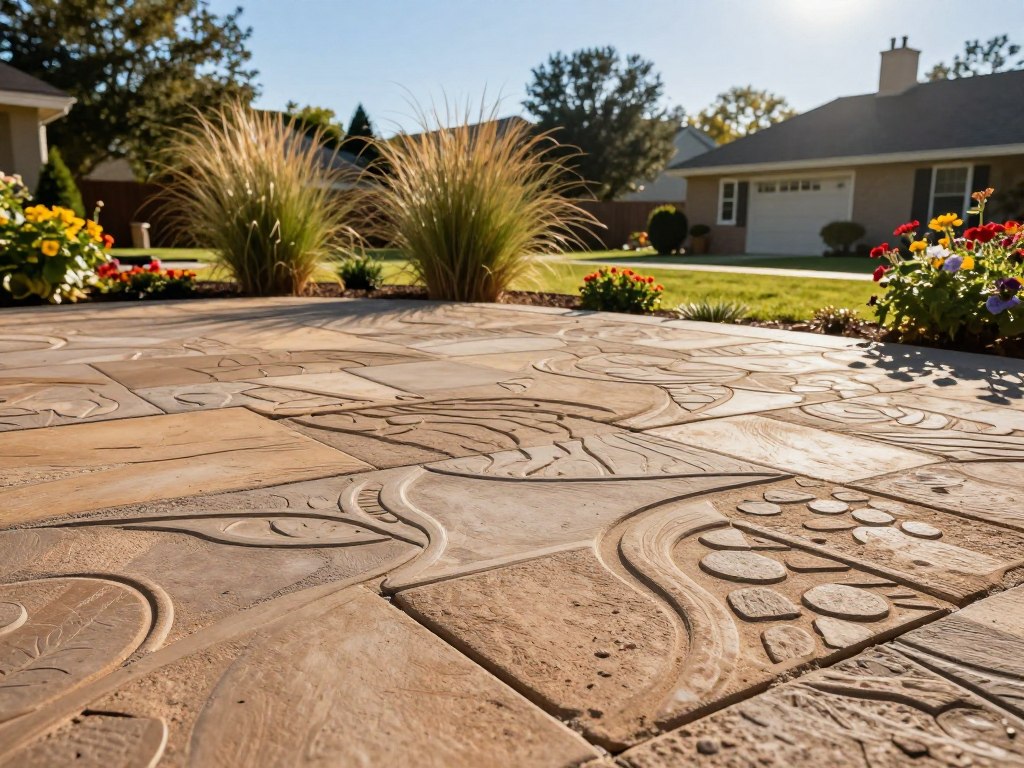
A stamped concrete patio can mimic premium materials like slate, brick, or natural stone. Specialized mats press patterns into wet concrete, creating a high-end look at a fraction of the cost. It suits homeowners seeking sophisticated patio design ideas that stay durable under heavy foot traffic.
Colored Concrete Choices
Adding color can improve your outdoor space. Integral color mixes into the concrete, while surface stains add deep, rich tones. These decorative concrete techniques can match your home’s siding or existing masonry.
Textured Finishes
Safety and function matter as much as visual appeal. Textured finishes add slip resistance, which matters on Oregon properties with frequent rain. The right texture helps keep family and guests safe throughout the year.
| Finish Type | Primary Benefit | Best Use Case |
|---|---|---|
| Stamped | Visual Aesthetics | Replicating stone or brick |
| Colored | Customization | Matching home exterior |
| Textured | Slip Resistance | High-moisture environments |
When comparing decorative concrete options, consider each choice’s long-term maintenance needs. A well-planned patio balances beauty with practical daily use. Always consult experts to ensure your chosen finish stands the test of time.
The Installation Process Explained
A well-planned concrete patio installation can transform your backyard. This detailed work creates a stable, attractive surface that lasts for years.
Step-by-Step Overview
The process starts with a precise layout and excavation to remove topsoil. Workers clear the area and compact crushed stone for a solid subbase. Contractors install forms to shape the patio and add steel reinforcement against future cracks.
Workers pour and level the concrete after setting the forms. Skilled workers apply a broom or stamped texture before curing begins. Finally, they clean the site and remove the forms to reveal the finished patio.
Importance of Professional Installation
Hiring a reputable patio construction company helps ensure high-quality work. Experts manage key details, including proper drainage elevation and control joints for concrete movement.
Professional patio installers protect your landscaping during construction. Their experience helps them solve challenges like unstable soil or complex grading.
Tools and Equipment Needed
A consistent, durable surface requires more than basic hand tools. Professionals use plate compactors, power screeds, and special tools for texture application.
| Feature | DIY Approach | Professional Service |
|---|---|---|
| Equipment | Basic hand tools | Industrial-grade machinery |
| Site Prep | Manual labor | Engineered compaction |
| Finish Quality | Variable | Consistent and smooth |
| Longevity | Risk of cracking | High durability |
Common Mistakes to Avoid
Building a beautiful patio takes careful planning and helps prevent costly repairs. Many homeowners manage these projects alone but miss important technical details. Experienced patio contractors help each stage meet high industry standards.
DIY vs. Professional Installations
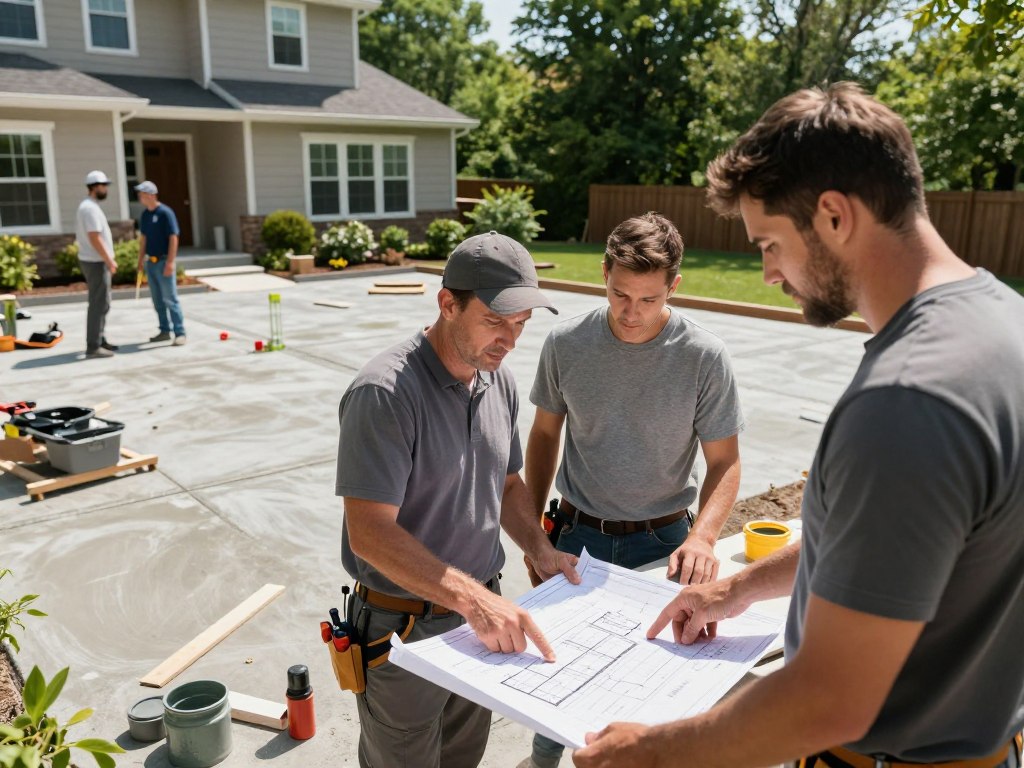
A do-it-yourself approach may seem cheaper, but it often causes expensive mistakes. Common errors include shallow excavation, weak subbase preparation, and insufficient control joints. These oversights can cause premature cracking or surface sinking.
Professional patio contractors have the expertise to manage complex grading and material selection. They know how to cure concrete properly, preventing surface scaling and structural weakness. Experts also help you avoid the stress of fixing amateur mistakes later.
| Feature | DIY Approach | Professional Service |
|---|---|---|
| Site Preparation | Often inadequate | Engineered for stability |
| Material Quality | Limited access | Commercial-grade supplies |
| Longevity | High risk of failure | Built for durability |
Ignoring Local Codes and Regulations
Every municipality has rules for property setbacks, lot coverage, and safety standards. Ignoring local codes can cause legal issues or force removal of your new patio. Check requirements with your city office before beginning construction.
Qualified contractors know regional building codes and permit processes. They handle paperwork and keep your project compliant with safety regulations. This proactive approach protects your investment and keeps your property in good standing.
Overlooking Drainage Issues
Proper water management supports the long-term life of any concrete surface. Without correct grading, water may pool near your home foundation or erode soil. Over time, this can cause significant structural damage.
Effective drainage requires precise slope calculations during initial site preparation. Experienced professionals use specialized tools to direct water away from your living space. Addressing these concerns early prevents long-term water damage and keeps your outdoor area functional.
Maintenance Tips for Longevity
Your patio can last longer when you follow a routine maintenance plan throughout the year. Regular care protects your investment and keeps the surface safe and attractive. It also stops minor wear from becoming costly structural repairs.
Cleaning Your Concrete Patio
Routine cleaning helps maintain your outdoor space’s appearance. Regular sweeping removes debris that can scratch the surface over time. For deeper cleaning, use mild detergent and a soft-bristle brush to remove dirt without damaging the finish, especially on decorative concrete.
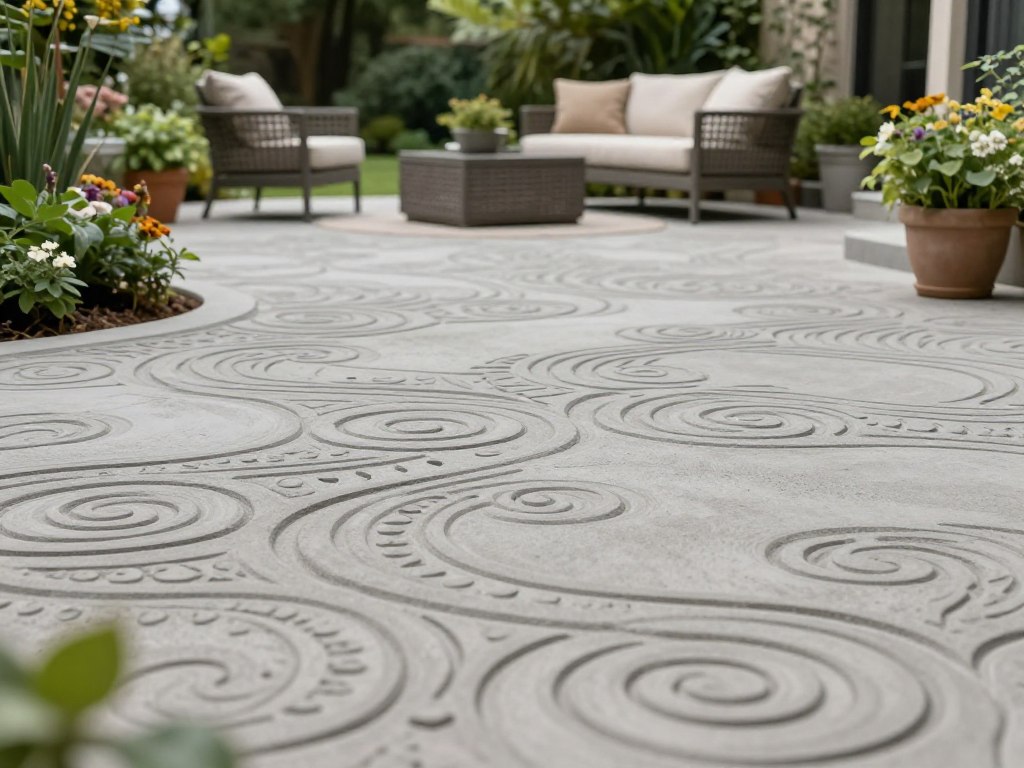
Address spills quickly to prevent permanent discoloration. Use a garden hose to rinse, but avoid high-pressure power washers unless experienced, because they can etch the surface. Keep organic matter, like leaves and grass clippings, away to prevent moisture buildup and possible stains.
Sealing and Repairing Cracks
Apply a high-quality sealer every two to three years to protect against moisture and UV damage. This step matters for decorative concrete because it boosts color vibrancy and protects intricate textures. Choose a product made for your patio’s finish to get the best results.
Check your patio often for small cracks or separated joints. Filling these gaps quickly keeps water from seeping under the slab, which often causes shifting and more cracks. Use flexible concrete fillers that move with the slab for a lasting repair.
Seasonal Care Recommendations
Seasonal inspections help you address environmental wear before it worsens. Before winter arrives, clear drainage paths so water flows away from the foundation. This simple step prevents freeze-thaw cycles from causing significant damage to your concrete surfaces.
- Inspect joints for signs of erosion or weed growth.
- Check for standing water after heavy rain to identify drainage issues.
- Apply a fresh coat of sealer if water no longer beads on the surface.
- Remove heavy snow using plastic shovels to avoid scratching the finish.
Stay proactive with these maintenance tasks to keep your patio durable and beautiful. Consistent attention preserves your installation’s integrity for many years.
Customization Options for Your Patio
A functional backyard retreat begins with thoughtful design choices. Specific features can improve your property’s look while keeping the area useful each day.
A well-planned layout should match your home’s architecture and local climate. Modern or rustic elements can create a cohesive environment.
Incorporating Borders and Designs
A stamped concrete patio creates many options for visual interest. Contrasting borders can frame the space, define its edges, and add a polished finish.
Geometric patterns and custom textures can mimic natural stone or brick at a fraction of the cost. These patio design ideas create a unique surface that matches your home’s exterior style.
Lighting Solutions
Layered lighting helps you use your outdoor living spaces after sunset. Combine task lighting for cooking areas with soft ambient lights for relaxation zones.
Path lights along walkways improve safety and highlight garden features. Well-placed fixtures keep your patio welcoming throughout the evening hours.
Furniture and Landscaping Ideas
Strategic landscaping can define zones for dining, entertaining, and quiet reflection. Built-in seating can save space, while planting beds soften concrete slab edges.
Furniture that matches nearby greenery creates a balanced look. Proper planning keeps your outdoor area useful and attractive in every season.
| Design Element | Primary Benefit | Best Application |
|---|---|---|
| Stamped Patterns | Visual Texture | Main Patio Surface |
| Layered Lighting | Safety and Ambiance | Perimeter and Walkways |
| Built-in Seating | Space Efficiency | Small or Narrow Yards |
| Planting Beds | Natural Softening | Patio Edges |
Budgeting for Your Concrete Patio
A high-quality concrete patio begins with a clear, detailed financial plan. Before work starts, choose a reputable patio construction company to understand your project’s full scope. A clear budget sets expectations and helps you get strong value from your investment.
Average Costs of Installation
Your project’s total cost mainly depends on the area’s square footage. Prices vary by region, but most installations include base preparation, concrete pouring, and finishing labor. Design complexity and selected materials affect the final price range.
- Basic broom-finished concrete is typically the most affordable option.
- Stamped or colored concrete increases the price per square foot.
- Larger projects may benefit from economies of scale regarding labor costs.
Factors Affecting Price
Several factors shape the final quote from professional patio contractors. Site conditions strongly affect the labor needed for successful installation. Difficult yard access may require special equipment to move materials, raising the total cost.
Design complexity also affects the final price. Intricate patterns, custom borders, and integrated lighting need more installation time and skill. Make sure your estimate lists material, labor, and site preparation costs separately.
Potential Hidden Expenses
Homeowners should plan for unexpected costs during excavation. Workers may discover these issues after work begins, but fixing them supports your patio’s long-term strength.
Common factors that can lead to additional expenses include:
- Permit fees required by local municipal building departments.
- Removal and disposal of old concrete or existing structures.
- Grading corrections to ensure proper water drainage away from your home.
- Unexpected subbase repairs if the soil is unstable or requires extra reinforcement.
When reviewing proposals, do not choose the lowest bidder automatically. Compare qualified patio contractors by workmanship, material quality, and proposal detail. A professional patio construction company will provide a detailed breakdown, helping prevent surprises and build an outdoor space that lasts.
Eco-Friendly Practices in Installation
A beautiful outdoor space does not have to harm the environment. At Allure Construction, we use responsible masonry techniques to keep projects sustainable from start to finish. Efficient layouts and thoughtful designs help homeowners reduce their environmental impact.
Sustainable Materials to Use
Choosing the right materials is the first step toward a greener patio. We source aggregates and cement from local suppliers to reduce transportation emissions. High-quality, durable materials can last for decades and reduce replacements.
Using decorative concrete creates visual appeal without imported stone or energy-intensive materials. These finishes look refined and create a smaller carbon footprint. We also recommend permeable options that support natural drainage and replenish groundwater.
Benefits of Eco-Friendly Concrete
Sustainable concrete practices benefit homeowners and the planet. Precise planning and material management help a well-built patio reduce construction waste. High-performance mixes create a surface that resists weathering and structural damage.
Consider these key benefits of sustainable installation methods:
- Reduced carbon emissions through local material sourcing.
- Improved site drainage to prevent erosion and water runoff.
- Lower maintenance requirements over the life of the patio.
- Increased property value through durable, high-quality finishes.
Reusing Existing Materials
Sustainability often starts with materials already on your property. We inspect existing base materials to see whether they can support your new foundation. Reusing compatible elements, such as old pavers or stone borders, keeps waste out of landfills and adds character.
By blending recycled elements with modern decorative concrete, we create a custom look that respects your landscape’s history. This approach reduces your project’s total material impact. Our team checks every reused component against strict safety and structural standards for your peace of mind.
Choosing the Right Contractor
Choosing a qualified contractor takes research and helps your investment last for many years. Your outdoor space depends on a skilled team managing the project from start to finish. A clear screening process can help you choose with confidence.
What to Look for in a Contractor
When comparing patio contractors, begin by checking their credentials. A legitimate patio construction company must hold valid state licenses and carry comprehensive liability insurance. These protections reduce your financial risk during construction.
Review each portfolio to judge the quality of past work. Check the consistency of its concrete patio installation projects and examine each finish. Professional patio installers should understand local soil conditions and climate challenges, which support long-term durability.
Questions to Ask Before Hiring
Before signing an agreement, prepare questions about the contractor’s process. Ask how the team prepares the site and manages drainage issues to prevent water damage. Also discuss the curing process and planned materials.
Confirm the project timeline, including expected start and completion dates. Ask how the team handles change orders and cleans the site after work ends. Clear communication now can prevent later misunderstandings.
Checking References and Reviews
Check your chosen team’s reputation through references and online reviews. Past clients can describe the contractor’s reliability and professionalism. Allure Construction stands out as a reputable choice for expert exterior projects.
Vetting your options helps skilled professionals handle the project. A well-vetted team can deliver a durable, beautiful result that enhances your home for years.
Future Trends in Concrete Patios
Modern backyards now extend the home with more style and purpose. Homeowners choose materials that resist harsh weather and keep their appeal. Exploringpatio design ideashelps match your vision with current standards for durability and style.
Innovative Design and Craftsmanship
New techniques create patterns that resemble natural stone or wood. A high-quality stamped concrete patio offers a premium look without paver maintenance. These surfaces create a smooth transition between indoor and outdoor spaces.
Sustainable and Smart Maintenance
Future projects use eco-conscious materials and efficient drainage systems. Combining decorative concrete with smart lighting creates a useful space for evening relaxation. Proper sealing and regular care keep your investment vibrant for decades.
Start Your Transformation
Strong results require professional expertise and careful site preparation. Skilled contractors help projects meet local climate needs and last longer. Contact Allure Construction today for a professional consultation and estimate to bring your outdoor vision to life.