
Did you know that a well-installed hardscape can increase your home value by up to 12%? Investing in high-quality paver patios is often a smart financial move because they offer exceptional durability, easy repairability, and timeless aesthetic appeal. When properly maintained, these surfaces can last 25–30+ years, making them a superior choice for your home.
Choosing the right materials ensures your investment withstands the unique Oregon climate while providing a beautiful foundation for your home. Whether you are planning a complete backyard renovation or simply want to upgrade your current setup, understanding the balance between upfront costs and long-term value is essential.
This guide explores various patio designs and materials to help you create the perfect outdoor entertainment area. We will examine how these outdoor living spaces perform over time, ensuring you make an informed decision for your property.
Key Takeaways
- Hardscape installations can boost property value by approximately 12%.
- Quality stone surfaces offer a lifespan of 25 to 30 years or more.
- Individual units allow for simple, cost-effective repairs if damage occurs.
- Design flexibility enables homeowners to customize layouts to fit any landscape.
- Proper installation is critical for long-term performance in wet climates.
Overview of Paver Patios
Creating beautiful outdoor living spaces starts with understanding the foundation of your project. Whether you want a cozy nook for morning coffee or a large area for entertaining, choosing the right materials is essential. You can learn more about the realities of these surfaces by reading what no one tells you about before you begin your journey.
What Are Paver Patios?
Paver patios are modular, ground-level surfaces constructed from individual units. These units can be made from concrete, brick, natural stone, or porcelain. Because they are modular, they offer incredible flexibility in your overall landscape design.
Unlike poured concrete, these individual pieces allow for minor ground movement without cracking. This makes them a popular choice for homeowners who want a durable and aesthetically pleasing result. They serve as the perfect base for your outdoor furniture and fire pits.
How Are They Installed?
Successful patio installation depends heavily on the preparation of the ground beneath the surface. In the Pacific Northwest, we must pay close attention to local soil conditions and heavy rainfall. Proper drainage is the most critical factor to ensure your patio remains stable for years.
The process begins with excavating the area to create a level base. Contractors then install a compacted aggregate sub-base to prevent shifting. Finally, the pavers are laid in a pattern and locked into place with sand or polymeric jointing material.
| Material Type | Durability | Maintenance Level | Best Use |
|---|---|---|---|
| Concrete Pavers | High | Low | General Patios |
| Natural Stone | Very High | Moderate | Luxury Design |
| Brick | Moderate | Moderate | Classic Style |
| Porcelain | High | Very Low | Modern Spaces |
Costs of Paver Patios
Understanding the costs associated with paver patios is the first step toward creating your dream outdoor living space. A successful backyard renovation requires careful financial planning to ensure your vision aligns with your budget.
When researching your options, it is helpful to look at the average paver patio cost to set realistic expectations. Keep in mind that these figures represent planning ranges rather than guaranteed quotes for your specific project.
What Is the Average Cost?
The total price for a patio installation includes both the materials and the labor required to prepare the site. While material costs vary, professional installation ensures the longevity and stability of your new surface.
| Material Type | Material Cost (per sq. ft.) | Total Installed Cost (per sq. ft.) |
|---|---|---|
| Basic Concrete | $4 – $7 | $12 – $18 |
| Standard Concrete Pavers | $6 – $10 | $20 – $30 |
| Brick Pavers | $8 – $12 | $25 – $35 |
| Natural Stone | $15 – $30+ | $40 – $60+ |
What Factors Influence Pricing?
Several variables can significantly change the final estimate for your backyard renovation. Site conditions, such as the depth of excavation needed and the type of soil, often dictate the amount of labor required.
Access to your property also plays a major role in the final price of your patio installation. If heavy machinery cannot easily reach the work area, labor costs may increase due to manual transport requirements.
The complexity of your design, including intricate patterns or custom borders, will also affect the total investment. We recommend that you request an itemized estimate from experienced hardscape contractors, such as Allure Construction, to get an accurate assessment of your unique site conditions.
Lifespan of Paver Patios
A well-built patio is more than just a visual upgrade; it is a long-term asset for your property. When you invest in quality materials and expert craftsmanship, you ensure that your outdoor living space remains functional for decades.
How Long Do Paver Patios Last?
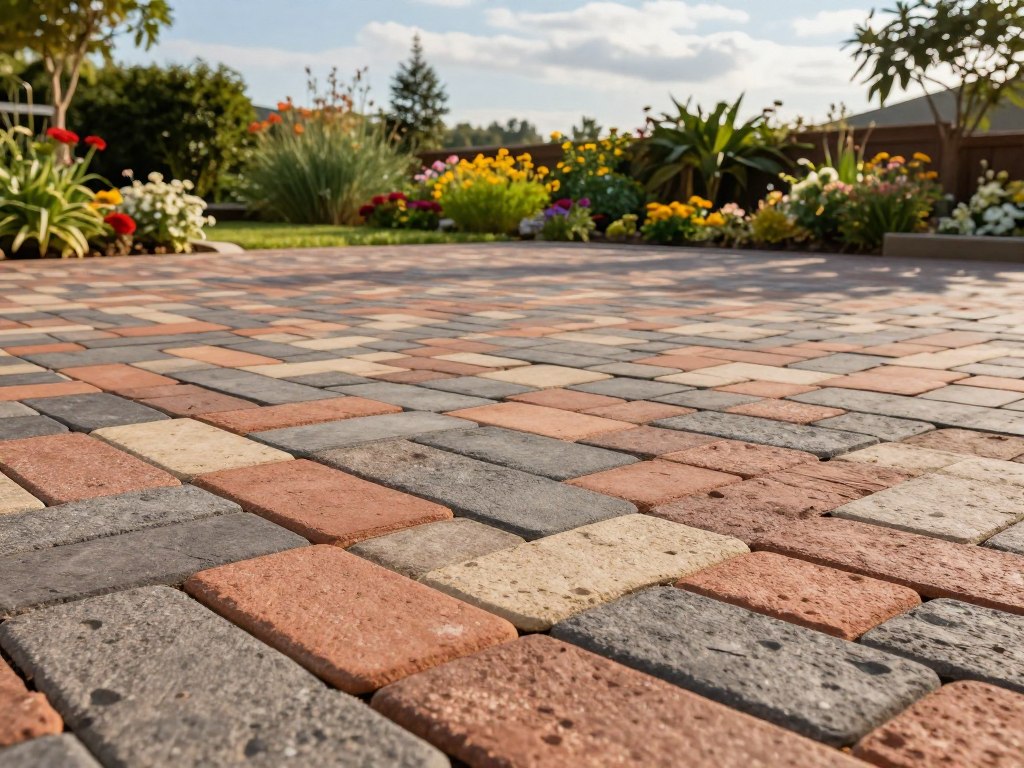
Most homeowners want to know the expected pavers lifespan before committing to a project. Properly installed paver patios commonly provide 25–30+ years of reliable service.
If you choose high-quality natural stone, your patio could potentially last even longer with minimal care. The key to reaching these milestones lies in the quality of the initial patio installation and the materials selected for the job.
What Factors Affect Their Lifespan?
Several technical elements determine how well your patio holds up over time. The foundation is the most critical component, requiring proper base depth and thorough compaction to prevent shifting.
Edge restraints are equally vital, as they keep the pavers locked in place and prevent lateral movement. Furthermore, the integrity of the joints and the overall surface loading capacity play significant roles in long-term stability.
In regions like Oregon, drainage and soil movement are major concerns that can shorten the life of a patio if ignored. Allure Construction helps homeowners protect their investment by designing base and drainage systems specifically for local conditions.
By focusing on the sub-surface engineering rather than just the surface materials, you ensure your patio remains level and beautiful. Proper construction techniques effectively mitigate the risks posed by heavy rainfall and shifting ground.
Key Benefits of Paver Patios
Many homeowners find that the versatility of pavers transforms their backyard into a functional retreat. These surfaces offer a unique blend of strength and style that makes them a top choice for modern paver patios. By selecting high-quality materials, you ensure your investment stands the test of time while enhancing your home’s overall value.
Why Choose Paver Patios?
Choosing the right foundation for your home is essential for long-term satisfaction. Pavers provide distinct advantages that set them apart from traditional poured concrete options.
- Modular Repairability: Unlike solid slabs that crack, individual pavers can be removed and replaced easily if damaged or if underground utility access is needed.
- Durability: These systems handle heavy foot traffic and shifting soil conditions with ease, making them perfect for an outdoor entertainment area.
- Resale Appeal: A well-installed patio significantly boosts curb appeal, which is a major selling point for potential buyers.
These features make them ideal for creating resilient outdoor living spaces that require minimal upkeep. You can enjoy your yard without worrying about constant structural maintenance.
Aesthetics and Design Options
Beyond their structural benefits, pavers offer endless creative possibilities for your home. You can select from various colors, textures, and patterns to match your existing landscape design perfectly.
Coordinated patio designs allow you to integrate walkways, seating walls, and fire pits into a cohesive look. This level of customization ensures your yard reflects your personal style while remaining highly functional.
| Feature | Paver Patios | Poured Concrete |
|---|---|---|
| Repair Process | Easy (Replace individual units) | Difficult (Requires patching) |
| Design Flexibility | High (Various patterns/colors) | Low (Limited options) |
| Durability | High (Flexible joints) | Moderate (Prone to cracking) |
| Installation Time | Moderate | Fast |
Whether you are designing a cozy nook or a large outdoor entertainment area, the right choice of materials will elevate your landscape design. Thoughtful planning ensures your patio designs serve as the centerpiece of your home for years to come.
Drawbacks of Paver Patios
Understanding the potential downsides of paver patios is just as important as admiring their beauty. While these surfaces are highly popular for their aesthetic appeal, they do require a realistic perspective regarding their long-term performance and care.
What Are Common Disadvantages?
One of the primary concerns for homeowners is the higher upfront cost compared to poured concrete. A quality patio installation often requires extensive site preparation, which adds to the total labor time and expense.
If the base is not properly compacted, you may notice surface movement or settling over time. Additionally, the joints between stones can become a home for unwanted weeds if they are not filled correctly during the initial setup.
Maintenance Requirements
Regular upkeep is essential to keep your outdoor space looking its best. You should expect to replenish joint sand periodically to prevent shifting and weed growth.
Cleaning methods and sealing schedules should be discussed with your contractor before the project begins. Proper planning during your patio installation can significantly reduce the frequency of these tasks.
| Issue | Cause | Solution |
|---|---|---|
| Weed Growth | Gaps in joint sand | Use polymeric sand |
| Surface Settling | Poor base compaction | Professional site prep |
| Staining | Porous stone surface | Apply quality sealant |
| Shifting Pavers | Weak edge restraints | Install concrete borders |
By choosing a reputable provider, you can mitigate many of these common issues. A professional approach ensures that your investment remains stable and attractive for many years to come.
Paver Patios in Oregon’s Climate
Building beautiful outdoor living spaces in the Pacific Northwest requires a deep understanding of our unique weather patterns. The region is famous for its lush greenery, but the constant moisture and variable soil conditions can be tough on exterior surfaces. At Allure Construction, we specialize in navigating these environmental factors to ensure your project stands the test of time.
How Does Oregon Weather Impact Durability?
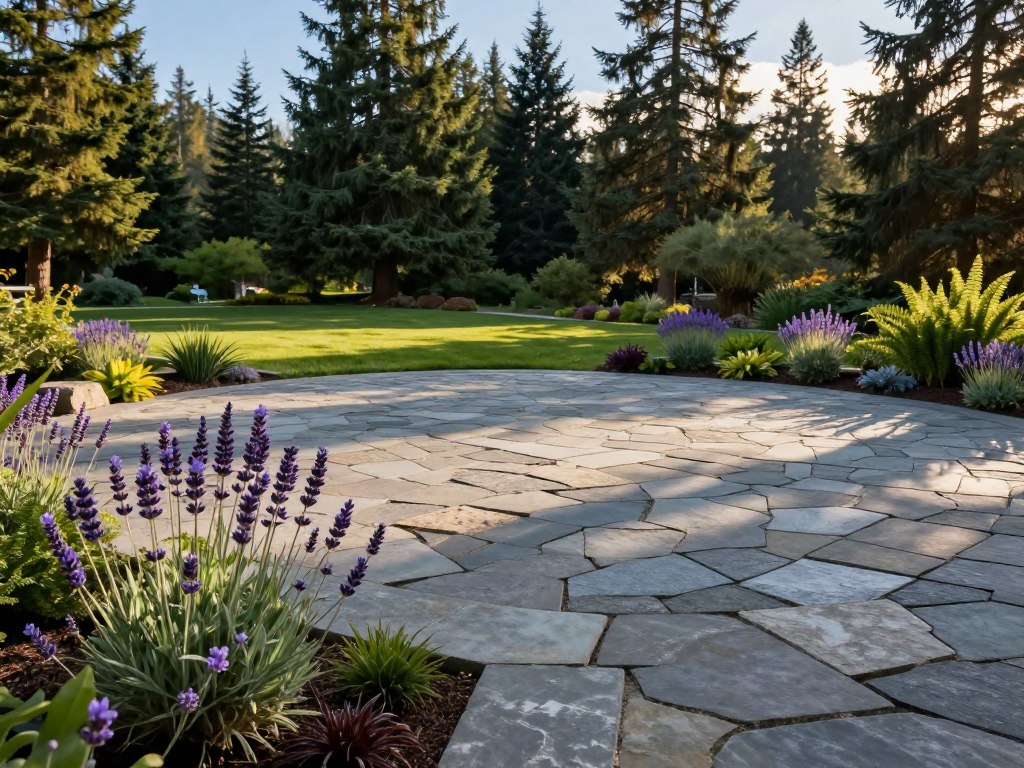
Oregon’s wet winters and frequent rainfall create a challenging environment for traditional hardscaping. When water saturates the ground, it can lead to soil movement that causes pavers to shift or settle unevenly over time. Furthermore, the occasional freeze-thaw cycles common in our area can cause trapped moisture to expand, potentially cracking materials or disrupting the base layer.
Surface porosity also plays a significant role in how your patio ages. Without proper sealing and high-quality installation, persistent dampness often encourages moss growth and staining. Experienced hardscape contractors know that selecting the right materials is only half the battle; the other half is preparing the ground to handle our heavy precipitation.
Importance of Proper Drainage
Effective water management is the secret to long-lasting paver patios. Before any construction begins, a professional site evaluation is essential to identify natural runoff paths and potential low spots. We carefully analyze your property’s soil bearing capacity and finished elevations to prevent water from pooling near your home’s foundation.
Proper grading ensures that rainwater flows away from your living area rather than soaking into the base. By integrating smart drainage solutions, such as French drains or strategic slope adjustments, we protect your investment from the damaging effects of saturation. Relying on skilled professionals ensures that your outdoor living spaces remain stable, functional, and beautiful regardless of the season.
Choosing the Right Materials
Building beautiful paver patios requires a careful balance between aesthetic appeal and practical performance. When planning your backyard renovation, the material you choose serves as the foundation for both the look and the lifespan of your outdoor living area. Making an informed decision ensures your investment remains functional and attractive for years to come.
What Types of Pavers Are Available?
There are several popular options for modern patio designs, each offering unique characteristics. Natural stone provides a timeless, high-end look but often comes at a premium price point. Concrete pavers are highly versatile, offering a wide range of shapes and colors that fit almost any landscape design budget.
Brick pavers offer a classic, warm aesthetic that ages gracefully over time. Meanwhile, porcelain pavers have gained popularity for their extreme durability and resistance to stains, making them an excellent choice for high-traffic areas.
| Material | Durability | Maintenance | Slip Resistance |
|---|---|---|---|
| Natural Stone | High | Moderate | Variable |
| Concrete | Moderate | Low | High |
| Brick | High | Low | |
| Porcelain | Very High | Very Low | High |
How to Select the Best Material for Your Project?
Selecting the right material involves looking beyond simple aesthetics. You must consider how your family uses the space, the local climate, and the existing soil conditions in your yard. For instance, if you live in a region with heavy rainfall, prioritize materials with high slip resistance and proper drainage capabilities.
Consider these factors when finalizing your choice:
- Usage: High-traffic areas benefit from durable porcelain or concrete.
- Climate: Ensure your chosen material can withstand freeze-thaw cycles.
- Design Harmony: Match the texture and color of your pavers to your home’s exterior.
- Budget: Balance the initial cost of materials with long-term maintenance needs.
By aligning your material choice with your specific goals, you create a cohesive outdoor environment. Thoughtful planning ensures that your new space complements your home while providing a durable surface for years of enjoyment.
Installation Process
The transformation of your backyard into a functional living area depends heavily on the quality of your patio installation. While a surface may look beautiful upon completion, its long-term stability relies entirely on the hidden layers beneath the stones. Proper techniques ensure that your investment remains level and functional for many years.
Steps to Install a Paver Patio
Building a durable surface requires a systematic approach to ensure proper drainage and structural integrity. Following these specific phases will help you create a high-quality outdoor entertainment area that stands the test of time.
- Excavation and Grading: Remove the topsoil to the required depth and establish a slight slope away from your home to prevent water pooling.
- Compaction: Use a plate compactor to firm the subgrade, creating a solid foundation for the base materials.
- Base Installation: Add layers of crushed stone, compacting each layer thoroughly to prevent future settling.
- Bedding Layer: Spread a thin layer of concrete sand to provide a smooth surface for the pavers.
- Placement and Cutting: Lay the pavers in your chosen pattern, cutting edge pieces to fit the perimeter perfectly.
- Edging and Joint Filling: Install edge restraints to keep the stones in place, then sweep polymeric sand into the joints and activate it with water.
- Cleanup: Remove excess sand and debris to reveal your finished project.
DIY vs. Professional Installation: What to Consider
Deciding between a do-it-yourself project and hiring professional hardscape contractors involves weighing your budget against the complexity of the design. While DIY can save on labor costs, it requires significant physical effort and access to heavy equipment like plate compactors and masonry saws.
Professional installers bring years of experience to complex projects, especially when dealing with drainage challenges or multiple elevations. If you are planning a large outdoor entertainment area that requires utility integration, the expertise of a professional is often worth the investment.
| Factor | DIY Approach | Professional |
|---|---|---|
| Labor Costs | Low (Sweat Equity) | Higher |
| Equipment | Rental Required | Included |
| Technical Accuracy | Variable | Guaranteed |
| Warranty | None | Included |
Ultimately, the success of your paver patios depends on the accuracy of the base and the quality of the edge restraints. Whether you choose to tackle the work yourself or hire experts, prioritizing these technical details will ensure a beautiful and lasting result.
FAQ
Homeowners often have specific concerns when planning a new backyard project. Addressing these frequent inquiries helps ensure your paver patios remain beautiful and functional for years. Quality patio installation remains the best way to protect your investment against the unique challenges of the Pacific Northwest.
How Much Maintenance Is Required?
Routine care involves sweeping debris and occasional pressure washing to prevent moss buildup. In Oregon, inspect your joints every spring to ensure sand levels remain high. This simple habit keeps your paver patios stable and prevents weeds from taking root in the gaps between stones.
Can Paver Patios Be Repaired?
One major advantage of this material is the ability to replace individual units. If a single stone cracks or shifts due to ground movement, you can lift it out and install a new one. This targeted repair process saves time and money compared to fixing poured concrete slabs.
Are Paver Patios Slip Resistant?
Most concrete and natural stone pavers feature textured surfaces designed for safety. These materials provide excellent traction even when wet. Choosing high-quality products from brands like Belgard or Mutual Materials ensures your surface stays safe for family and guests during rainy seasons.
How Can You Enhance Drainage in a Paver Patio?
Proper slope is vital for effective water management. Ensure your patio installation includes a slight pitch away from your home foundation. Using permeable joint sand or installing a gravel sub-base allows water to filter into the ground, preventing puddles and protecting your landscape from erosion.