
Allure Landscape Construction recommends comparing Trex, TimberTech, Fiberon, Deckorators, Wolf, and premium PVC before choosing composite decking. With more than 10 years of hands-on experience, our licensed and bonded team serves Medford and Southern Oregon, understands local building codes, and plans each project for lasting performance.
Which composite decking brand keeps its color, handles Southern Oregon weather, and adds real value to your home?
Quality boards can last 25 to 50 years with little upkeep, while wood often needs replacement in 10 to 15 years. Still, a trusted brand alone does not ensure a durable deck. Sun exposure, moisture, soil conditions, structure, and installation quality all matter.
This guide compares leading brands by color retention, warranties, maintenance, price, service life, and design options. It also explains why licensed installation and careful planning matter. Explore this brand comparison before investing your time and budget.
Key Takeaways
- Color technology affects long-term appearance.
- Warranties help reveal expected performance.
- Local site conditions influence durability.
- Professional installation supports lasting value.
- Allure Landscape Construction serves Medford and nearby Jackson County communities.
Which composite decking brands offer the best color retention?
Southern Oregon homeowners need color choices that suit strong sun, dry summers, and wet winters. Product caps, grain depth, and moisture control all affect how a finished deck looks over time.
Trex and TimberTech options for local homes
Trex stands out for variety. Its boards use 95% recycled materials and a protective shell. Transcend adds three-sided coverage, realistic grain, and up to 50 years of fade and stain protection. TimberTech uses four-sided, or 360-degree, moisture protection. That design helps shield exposed and hidden surfaces during Southern Oregon’s wet season.
Fiberon, Deckorators, and Wolf style choices
Fiberon PermaLife carries color through the board, which may help hide minor scratches. Deckorators offers rich shades, matching rails, and coordinated products for a complete outdoor space. Wolf is made in the United States, with deep embossing and varied tones at a more accessible price. For a luxury look, Zuri PVC copies Brazilian walnut and tigerwood. Lighter shades stay cooler on exposed Medford decks.
| Brand | Color strength | Best design fit |
|---|---|---|
| Trex | Shell protection and grain | Broad color selection |
| TimberTech | Four-sided moisture defense | Wet, exposed sites |
| Fiberon | Color extends through the board | Scratch-conscious homeowners |
| Wolf | Deep embossing and variation | Natural style on a budget |
How do the top composite deck boards compare for durability?
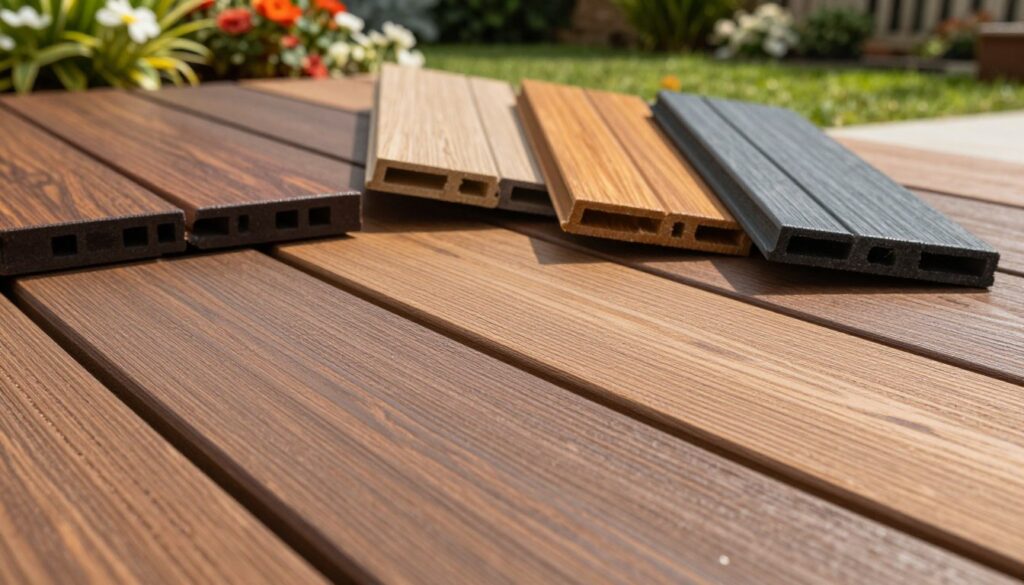
Durability depends on more than a warranty. The core, protective shell, framing, drainage, fasteners, and site exposure all shape how long a deck performs.
Capped protection against moisture, fading, and scratches
Capped composite boards use a shell that helps block moisture, stains, fading, and surface scratches. Trex Transcend protects three sides, while TimberTech shields many products on all four sides. Both options offer strong resistance to rot, insects, and mold compared with traditional wood.
PVC and mineral-based options for demanding spaces
PVC products such as Zuri and TimberTech Advanced PVC suit wet areas and high-traffic spaces. Zuri includes a 25-year warranty. Deckorators mineral-based material blends stone particles with recycled plastic for a rigid, stable feel. MoistureShield adds a water-resistant core and warranties that may reach 50 years.
Warranty coverage and expected service life
Trex can provide up to 50 years of fade and stain coverage. Wolf, Fiberon, NewTechWood, Cali Bamboo, and Veranda often cite 25-year coverage. With proper installation, quality boards may last 25 to 50 years with little upkeep. A contractor should also inspect the fascia board, drainage, and framing before promising a long service life.
What is the difference between composite decking and traditional wood?
Material choice affects your budget, upkeep, and outdoor living experience. Composite decking combines wood fibers with recycled plastic to mimic natural grain while reducing routine care.
A composite deck usually costs more at installation. However, each composite deck board typically needs no staining, sealing, painting, or sanding. Cleaning with soap and water often keeps the surface looking fresh. Quality boards may last 25 to 50 years, which can improve long-term value.
Traditional wood offers warm color, natural texture, and simple repairs. Yet wood decking needs regular sealing and staining. Moisture can also invite rot, mold, and insects. Many wood decks need replacement after about 10 to 15 years.
- Best for low upkeep: composite boards and capped products.
- Best for natural character: traditional wood.
- Premium alternative: Ipe may last 30 years or more with proper care.
Review the pros and cons of each material before choosing a product. The right deck board balances appearance, repair needs, service life, and total cost.
Which decking materials perform best in Medford’s climate?
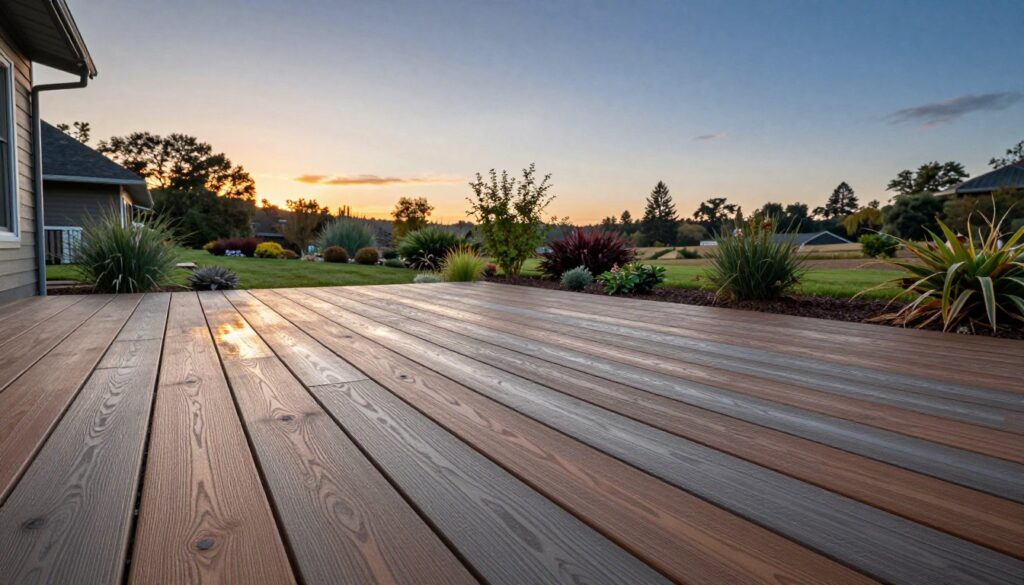
Medford’s dry summers, wet winters, and seasonal temperature shifts call for careful material planning. The right choice supports comfortable outdoor living, protects your home, and extends the life of the deck.
Handling sunlight, moisture, and freeze-thaw cycles
Southern Oregon sunlight makes UV-resistant capped composite and lighter colors practical choices. TimberTech Advanced PVC can stay up to 30 degrees cooler than competing products in exposed areas. NewTechWood uses rice husks and recycled plastic, with low thermal expansion for seasonal temperature swings.
Moisture-resistant products also suit pool decks, lakeside homes, and humid spaces. Still, freeze-thaw cycles require proper framing, drainage, fastener placement, and room for movement. Brand selection alone cannot prevent structural problems.
Choosing boards for Jackson County soil and site conditions
Jackson County properties may have clay, gravel, slopes, or areas that hold water. Allure reviews soil, drainage, and footing conditions before recommending a composite deck board or wood structure.
- Uneven sites: use stable footings and careful grading.
- Wet ground: improve drainage before framing.
- Local compliance: coordinate details with Medford building codes.
This approach helps each deck board perform well through changing weather.
How should homeowners compare composite decking brands and costs?
A smart buying decision starts with the full installed price, not the shelf tag. Material quality, delivery, labor, site access, and long-term care can change the final value.
Premium, mid-range, and budget-friendly product options
Zuri, TimberTech, Trex, and MoistureShield suit homeowners who want advanced protection, realistic grain, or extended warranty coverage. Fiberon, Deckorators, Cali Bamboo, Wolf, and NewTechWood offer a practical balance of style, strength, sustainability, and cost.
Veranda provides a more accessible choice and is sold through Home Depot. A local store may also carry related items, but premium grain and protective technology vary by line.
The lowest product price is not always the lowest project cost.
Include framing, fasteners, fascia, permits, footings, labor, and site preparation. LTL delivery may require someone at the home to unload materials. Allure can help homeowners order the right quantity, plan delivery, and arrange a free estimate for a complete project.
| Price tier | Brands | Best fit |
|---|---|---|
| Highest premium | Zuri | Luxury appearance |
| Premium | Trex, TimberTech, MoistureShield | Protection and warranty |
| Mid-range | Fiberon, Deckorators, Wolf, NewTechWood, Cali Bamboo | Balanced value |
| Budget | Veranda at Home Depot | Lower upfront cost |
What installation details help composite deck boards last?
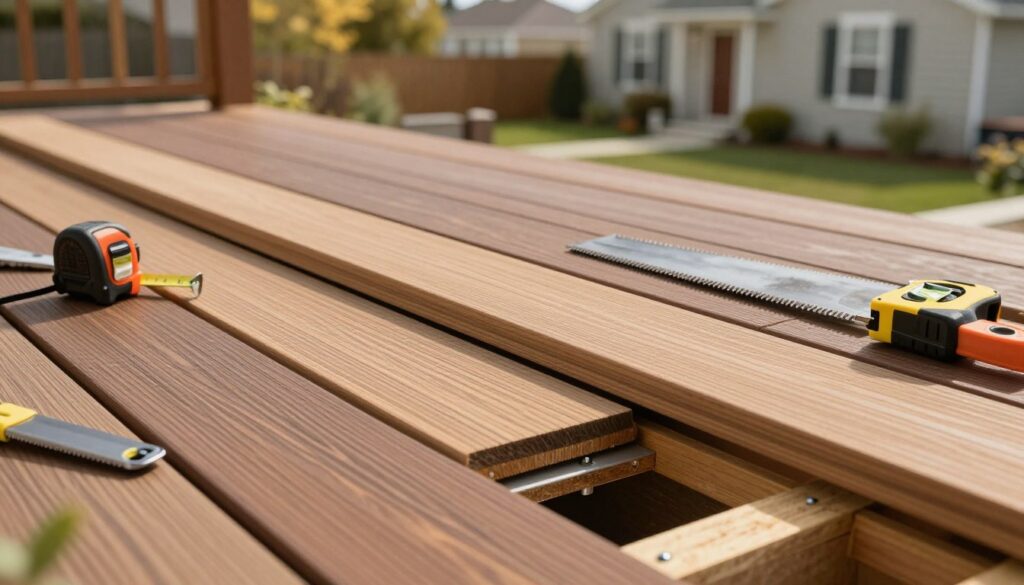
A lasting outdoor living space starts with careful planning, not just attractive materials. The framing, fasteners, drainage, and final layout all affect performance. Good installation also supports warranty coverage and safer use.
Plan spacing, fastening, and seasonal movement
Each composite deck board needs the gap listed by its manufacturer. Proper space allows seasonal movement and helps prevent buckling during Medford temperature swings. Approved hidden fasteners, screw placement, joist spacing, and board direction also matter.
For clean lines, hidden fasteners create a smooth appearance. A fascia board needs proper ventilation, drainage, corner transitions, and secure fastening. These details help the fascia remain straight through changing weather.
Know when professional help adds value
A skilled DIY builder may handle a simple decking project. However, a second DIY attempt can become costly when expansion gaps or fasteners are wrong. Composite decking usually needs soap, water, or an approved cleaner, not sanding or sealing.
Allure’s licensed and bonded team manages material handling, delivery inspection, and local code details. The team can check each order for missing or damaged items during LTL delivery, then complete complex stairs, drainage, and sloped Jackson County sites with care.
How can Allure Landscape Construction help choose and install a composite deck?
Choosing the right outdoor surface becomes easier with a local partner. Allure Landscape Construction serves Medford and Southern Oregon with more than 10 years of hands-on experience. The licensed and bonded team considers sunlight, drainage, grade, access, soil, framing, and how your home uses the space.
Allure can compare Trex, TimberTech, Fiberon, Deckorators, Wolf, PVC, mineral-based products, wood, and hardwoods. The team matches each option to your color goals, budget, maintenance plan, and site conditions. It can also explain product differences between a local store, Home Depot, and each brand line.
- Review plans, materials, fasteners, stairs, railings, and fascia.
- Coordinate takeoffs, ordering, freight delivery, and a second delivery check.
- Apply local building codes and Jackson County soil knowledge to the project.
- Build a safe deck with clear communication from estimate to completion.
Read these key deck planning considerations before you choose a board. Call 541-292-8824, share your ZIP code, and book a free estimate. Allure helps homeowners control cost and create a project built for Southern Oregon conditions.
Conclusion
Trex and TimberTech remain strong all-around brands for color and durability. Zuri PVC suits homeowners who want premium realism inspired by hardwoods. Fiberon, Wolf, Deckorators, NewTechWood, and Veranda offer varied prices and styles. A composite deck can last 25 to 50 years with less care than wood, but skilled installation still matters.
Medford sunlight, wet winters, freeze-thaw shifts, Jackson County soil, drainage, and local codes should guide your plan. Check every board, including the composite deck board, framing, fascia, spacing, and fasteners. A deck board must allow thermal movement. Inspect materials at delivery, then confirm replacements through a second delivery. Your local store may also explain each product line.
A DIY project may suit a simple deck, but professional help limits costly errors. Call Allure Landscape Construction at 541-292-8824 today to book your free estimate and plan a durable outdoor space for your home.